When Thai Massage Can Support Injury Recovery
.webp "Thai massage injury recovery")
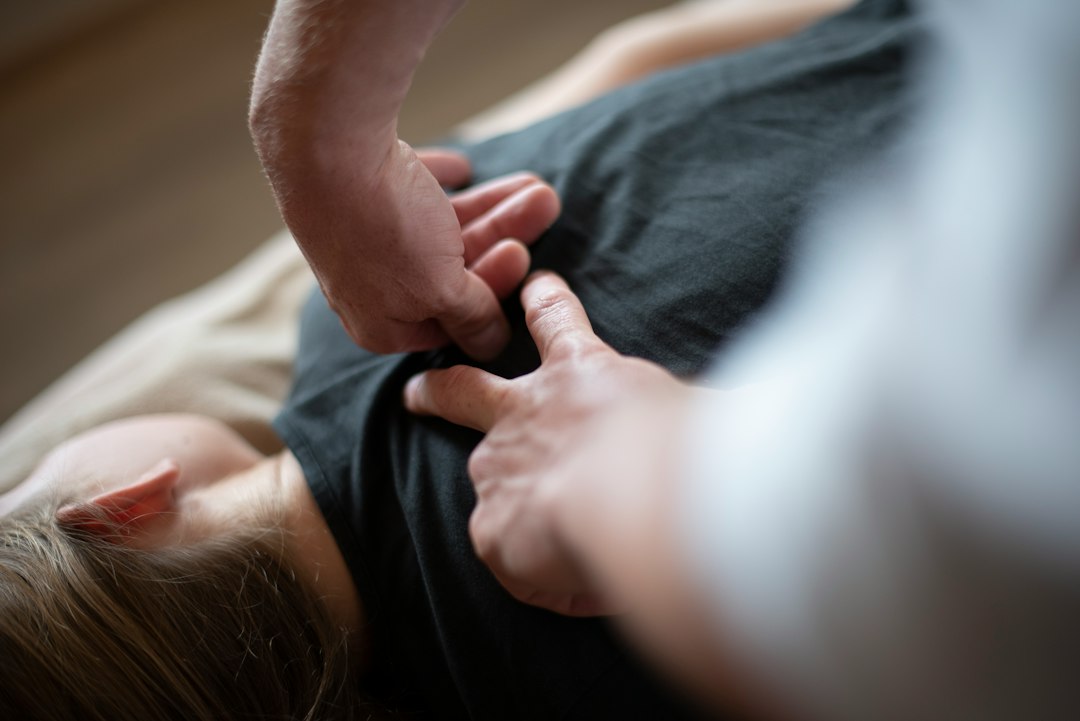
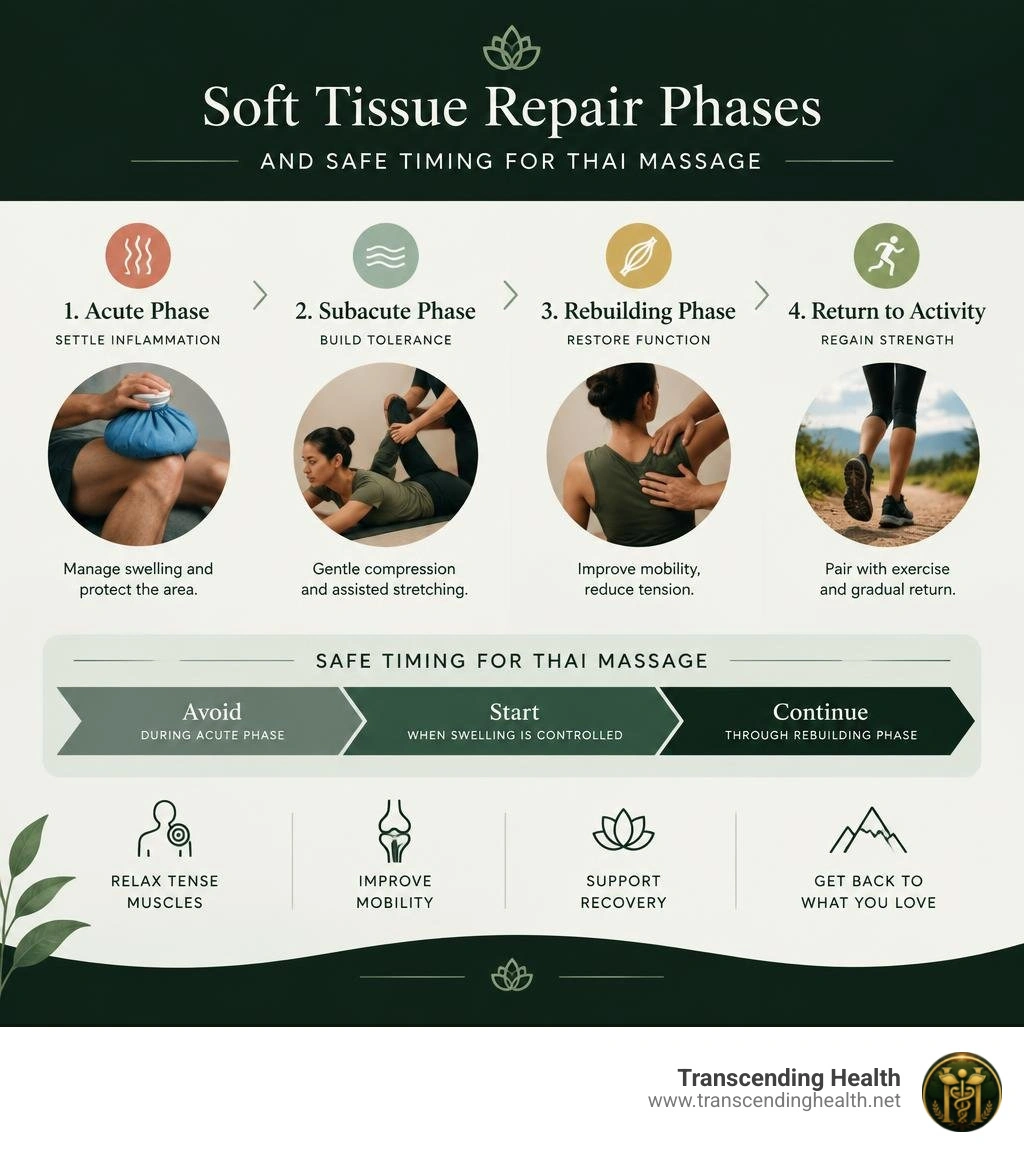
Thai massage injury recovery is most useful after the acute phase of a sports or running injury has settled - when swelling is controlled, serious injury has been ruled out, and stiffness, guarded movement, or chronic pain remains. It can complement a clinician-guided plan for problems such as lingering hamstring tightness, runner's knee-related muscle tension, low back stiffness, and shoulder mobility limits.
- Get medical evaluation first for severe pain, inability to bear weight, suspected fracture, major tear, or new numbness.
- Start with gentle, pain-free compression and assisted stretching during the subacute or rebuilding phase.
- Pair hands-on care with corrective exercise and a gradual return to running or sport.
Thai massage combines rhythmic pressure, joint movement, and therapist-assisted stretches. Research in people with chronic nonspecific low back pain found that traditional Thai massage improved pain and disability over eight sessions, with short-term results similar to joint mobilization in a randomized trial. That does not make it a replacement for diagnosis, physical therapy, or medical care. It is a practical tool for helping tense muscles relax and helping you move more comfortably while you rebuild strength.
At Transcending Health, we provide in-person integrative pain-relief and recovery care in Charlottesville, VA. Visit us at 1445 Rio Road East, Suite 201, to discuss whether hands-on therapy and movement-focused rehabilitation fit your recovery plan.
I am Drew Edmondson, owner of Transcending Health, where I help active adults address chronic pain and movement limits through coordinated hands-on care, corrective exercise, and recovery services. My approach to Thai massage injury recovery treats massage as one part of a clear plan to restore movement for hiking, golf, running, and everyday life.
Quick Thai massage injury recovery terms:
Understanding the Mechanisms of Thai Massage Injury Recovery
When an athlete or active individual sustains an injury, the body initiates protective adaptations. Muscles surrounding the damaged site contract to form a natural splint, vascular tone shifts, and the nervous system raises its threat sensitivity. While helpful during the first 48 to 72 hours, this protective guarding often outlasts its biological purpose, creating chronic myofascial restriction, reduced local blood flow, and persistent compensation patterns throughout the kinetic chain.
Traditional Thai massage operates on full-body kinetic pathways, historically termed Sen lines, which closely correlate with modern anatomical myofascial meridians. By delivering rhythmic bodyweight compressions alongside gentle traction, a skilled practitioner encourages deep muscle relaxation without provoking protective spasms.
These sustained rhythmic compressions stimulate both local capillary beds and broader venous return. As fluid exchanges across damaged muscle and tendon sheaths, fresh oxygen and nutrients reach resolving tissues while metabolic waste products clear out. Research evaluating manual protocols demonstrates that traditional Thai massage provides meaningful functional improvements. In a randomized controlled trial comparing traditional Thai massage against joint mobilization for chronic nonspecific low back pain, Thai massage decreased Visual Analog Scale (VAS) pain ratings from 5.3 down to 0.51 and reduced Oswestry Disability Index (ODI) scores from 24.9 to 8.1 across eight sessions over four weeks (Juntakarn et al., 2017).
At Transcending Health in Charlottesville, we incorporate these principles into tailored clinical massage therapy protocols to interrupt chronic pain loops, down-regulate overactive muscle tone, and restore healthy soft tissue function.
How Thai Massage Injury Recovery Restores Tissue Elasticity
During the remodeling phase of tissue healing, collagen fibers lay down haphazardly across injured muscles, ligaments, and fascial envelopes. Without targeted, multi-planar movement, these fibers adhere to adjacent tissue planes, creating dense fascial restrictions that limit range of motion and alter natural running gait.
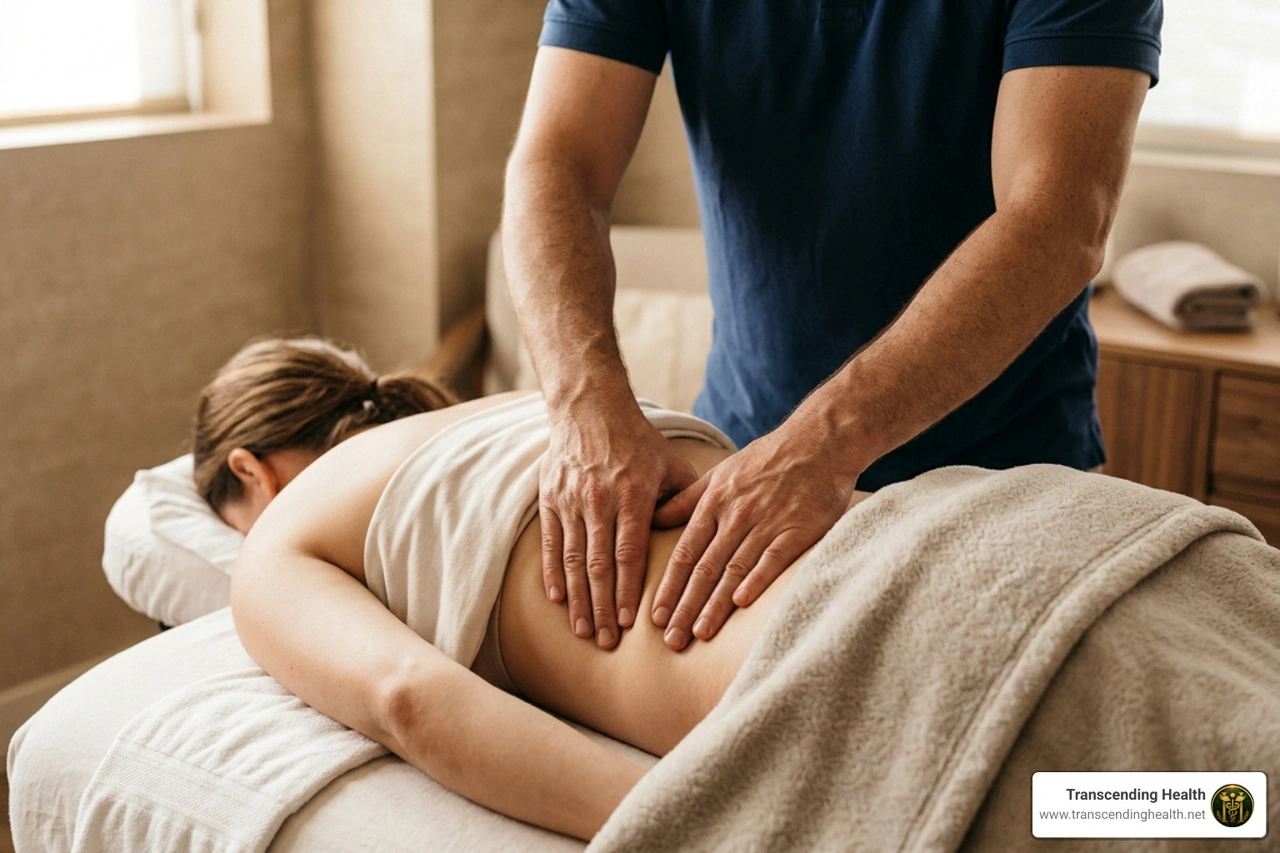
Thai massage uniquely addresses these restrictions by blending slow compression with passive yoga-like stretching. Unlike static table massage where you remain passive on a table under sheets, Thai bodywork places you on a supportive floor mat. The therapist uses their hands, forearms, knees, and feet to safely leverage your limbs through functional arcs of motion.
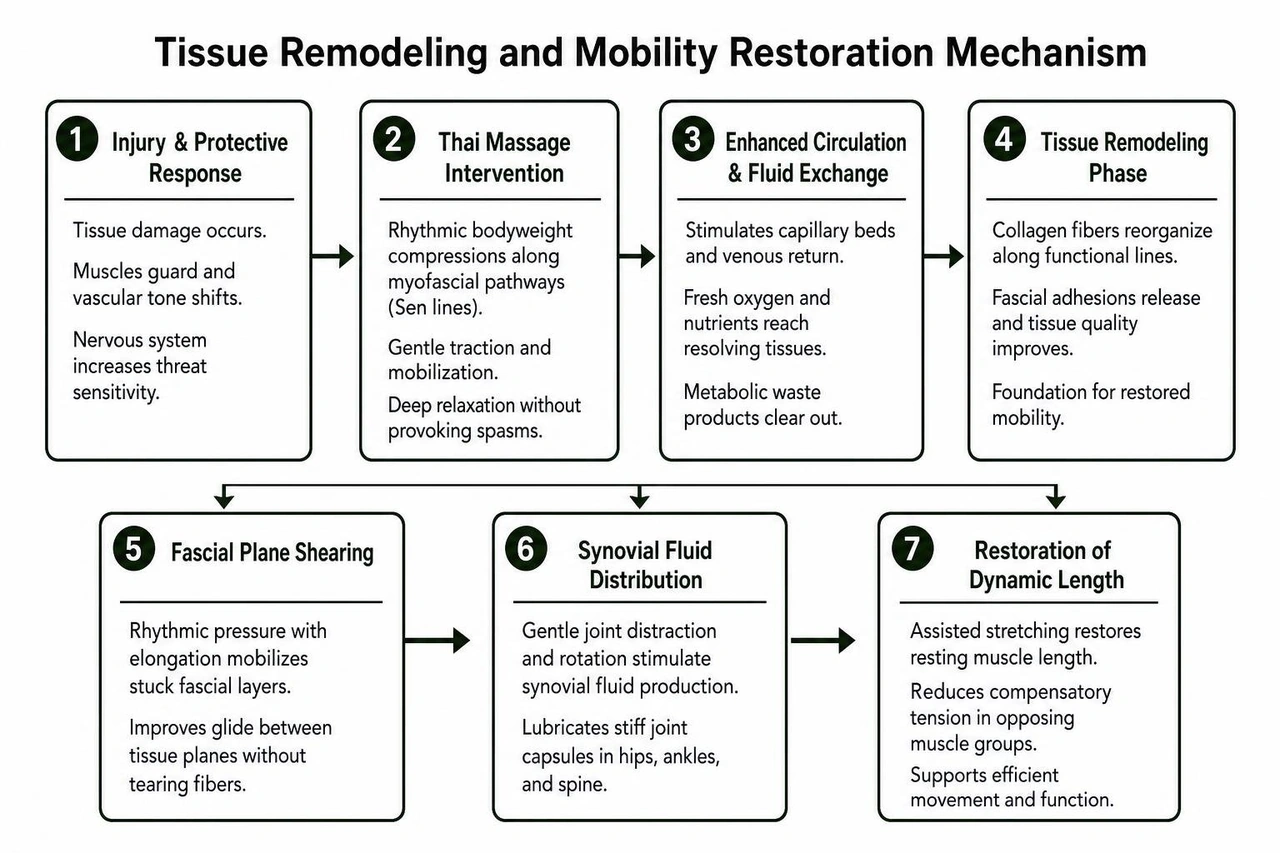
This combination of compression and mobilization accomplishes several critical mechanical goals:
- Fascial Plane Shearing: Rhythmic pressure coupled with elongation gently mobilizes stuck fascial layers without tearing delicate recovering fibers.
- Synovial Fluid Distribution: Gentle joint distraction and rotation stimulate synovial fluid production, lubricating stiff joint capsules in the hips, ankles, and spine.
- Restoration of Dynamic Length: Integrating assisted stretching techniques restores resting muscle length and eliminates compensatory tension in opposing muscle groups.
Clinical studies highlight how effectively this hybrid approach restores mobility in restricted regions. In a randomized controlled trial investigating Court-Type Traditional Thai Massage (CTTM) in patients suffering from myofascial pain syndrome, researchers found that targeted acupressure and assisted stretching yielded significant increases in pressure pain thresholds (PPT) and enhanced cervical range of motion in clinical trials.
Neurological and Inflammatory Modulation in Chronic Pain
Chronic post-injury pain is rarely just a structural issue—it is heavily influenced by central and peripheral nervous system sensitization. When an injury lingers, mechanoreceptors in the damaged tissue constantly fire distress signals, lowering pain thresholds and causing normal movement to feel threatening.
Thai massage influences this loop through the principles of gate control theory. The sustained, broad pressure of manual compression activates large-diameter myelinated A-beta nerve fibers. These sensory inputs override and dampen the slower pain signals carried by unmyelinated C-fibers at the dorsal horn of the spinal cord, delivering immediate neurological relief.
Furthermore, the slow, rhythmic cadence of Thai massage prompts a systemic shift from sympathetic "fight-or-flight" overdrive toward restorative parasympathetic dominance. A 2015 study confirmed that Thai massage significantly reduces salivary alpha-amylase (sAA)—a validated biological marker of physiological stress—more effectively than quiet rest alone. In athletic populations, a 2024 trial demonstrated that targeted Thai manual techniques accelerated post-exercise muscular fatigue recovery.
This systemic down-regulation also dampens chronic low-grade inflammation. In a randomized, single-blind trial evaluating manual therapy for chronic low back pain, combining Thai massage with therapeutic modalities significantly decreased malondialdehyde (MDA) lipid peroxidation markers while boosting systemic antioxidant enzymes, directly relieving localized tissue irritation (Manjit et al., 2026).
Thai Massage vs. Other Modalities for Sports and Running Injuries
Choosing the right hands-on modality is essential for an efficient recovery. While classic Swedish massage excels at general stress reduction and deep tissue work zeros in on isolated knots, Thai massage is uniquely suited for active individuals due to its functional, movement-based approach.
| Feature / Modality | Traditional Thai Massage | Deep Tissue Massage | Standard Sports Massage |
|---|---|---|---|
| Primary Focus | Whole-body kinetic chains, myofascial stretching, joint mobility | Specific hypertonic trigger points and deep muscle adhesions | Pre/post-event muscular flushing and sport-specific localized tension |
| Client Positioning | Clothed on a padded floor mat; therapist moves client through 3D poses | Draped on a treatment table; static positioning | Draped on a treatment table; static or limited active engagement |
| Joint Mobilization | High (passive traction, hip/spinal rotations, assisted opening) | Low to None (focused primarily on soft tissue compression) | Moderate (localized joint shaking or brief active range) |
| Nervous System Impact | Deep parasympathetic reset with heightened physical energization | Highly localized sensory input; can trigger guarding if too intense | Invigorating (pre-event) or relaxing (post-event flushing) |
| Best Recovery Stage | Subacute remodeling, chronic movement compensation, return-to-run | Targeted muscle spasm release, localized fibrotic knots | Immediate post-training soreness, pre-competition prep |
For runners and athletes managing chronic overuse injuries, traditional Thai massage provides a distinct advantage: it does not treat muscles in isolation. Running requires coordinated kinetic chain interaction—from the plantar fascia through the calves, hamstrings, glutes, and thoracolumbar fascia. By working these lines comprehensively, Thai bodywork restores fluid mechanics across your entire gait cycle.
When combined with targeted deep tissue massage applications, athletes can clear isolated trigger points while re-establishing full kinetic balance, an approach frequently highlighted in sports recovery insights for athletes.
Target Injuries: Strains, Sprains, and Compensatory Pain
Thai massage is exceptionally beneficial for chronic, non-acute overuse patterns common among runners, cyclists, and fitness enthusiasts:
- Runner’s Knee (Patellofemoral Pain Syndrome): Chronic anterior knee pain is frequently caused by excessive tension in the iliotibial (IT) band, rectus femoris, and lateral retinaculum pulling the patella off track. Thai massage compresses and stretches the anterior and lateral thigh lines, offloading tension around the patellar tendon.
- Plantar Fasciitis and Achilles Tendinopathy: Tension in the plantar fascia is intimately connected to calf and hamstring stiffness. In a 2020 study, Thai foot and lower leg massage significantly improved skin blood flow and ankle joint range of motion. Restoring ankle dorsiflexion reduces the mechanical load placed on the plantar aponeurosis during toe-off.
- Chronic Hamstring and Hip Flexor Strains: Lingering hamstring tightness often represents a protective response to an anterior pelvic tilt or tight psoas muscles. Thai massage safely tractions the hip joint, gently opening the anterior hip capsule and restoring pelvic balance.
- Sciatic Nerve Irritation and Piriformis Syndrome: Deep compressions applied to the gluteal lines relieve pressure on the sciatic nerve sheath. Patients looking for targeted care for sciatica benefit from slow, passive internal and external hip rotation stretches that decompress deep rotators.
To ensure long-term resolution, manual therapy must be paired with structured movement re-education. You can explore our framework for progressive tissue loading in our guide on sports injury reload strategies.
Clinical Staging: When to Schedule Your Sessions
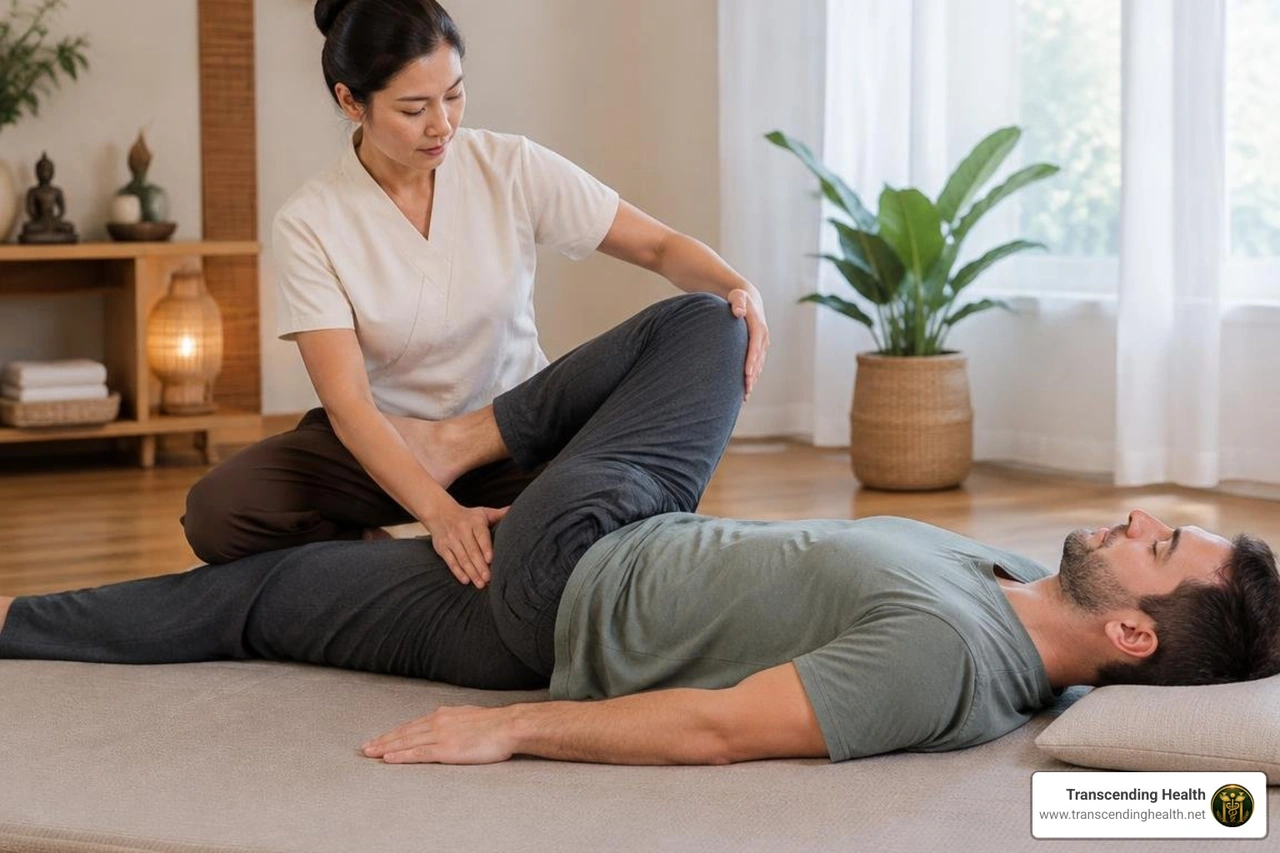
The timing of manual therapy determines whether it accelerates healing or provokes secondary inflammation. Understanding your injury stage ensures safe and effective outcomes.
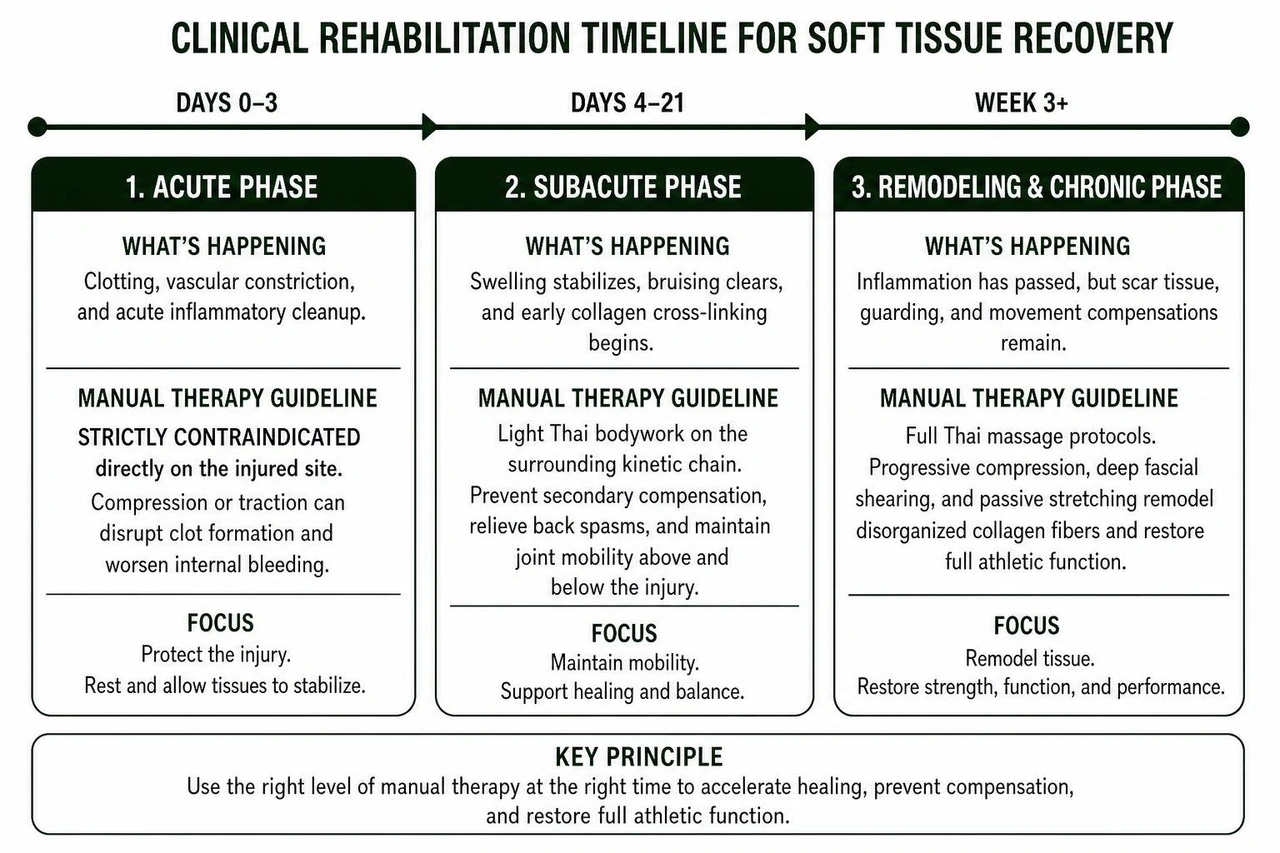
- Acute Phase (Days 0–3): Immediately following an acute sprain, strain, or trauma, the body prioritizes clotting, vascular constriction, and acute inflammatory cleanup. Thai massage is strictly contraindicated directly on the injured site during this phase. Applying compression or traction to acutely torn fibers disrupts fibrin formation and worsens internal bleeding.
- Subacute Phase (Days 4–21): Swelling stabilizes, bruising begins to clear, and early collagen cross-linking begins. At this stage, light Thai bodywork can be applied to the surrounding kinetic chain to prevent secondary compensation, relieve compensatory back spasms, and maintain joint mobility above and below the injured area.
- Remodeling & Chronic Phase (Week 3+): The acute inflammatory window has passed, but scar tissue, protective guarding, and movement compensations remain. This is the optimal window for full Thai massage protocols. Progressive compression, deep fascial shearing, and passive stretching remodel disorganized collagen fibers and restore full athletic function.
Addressing these chronic movement compensations early prevents long-term joint wear. We explore this dynamic thoroughly in our article on addressing recurrent movement dysfunction and provide additional stage-specific insights in our phase-aware recovery guidelines.
Timing Your Thai Massage Injury Recovery Protocol Post-Injury
When utilizing Thai massage injury recovery techniques, structuring session cadence around your training and healing timeline yields the best outcomes:
- Initial Subacute Re-Entry (1 session per week): Focuses on gentle decompression, diaphragmatic breathing, and passive range of motion to reintroduce movement without triggering inflammatory flares.
- Active Remodeling Cadence (1–2 sessions per week for 3–4 weeks): Gradually increases depth of pressure along myofascial pathways and broadens the amplitude of assisted stretches. This phase breaks down stubborn adhesions and restores full kinetic movement.
- Performance & Maintenance Cadence (Bi-weekly or monthly): Once baseline range of motion is restored, regular sessions maintain tissue suppleness, flush post-workout fatigue, and prevent old compensation patterns from returning.
For active runners and lifters in Charlottesville, integrating this hands-on work with our dedicated athletic sports recovery care provides a comprehensive path to high-level performance.
Safety Precautions and Contraindications
While Thai massage is highly safe and gentle when administered by an experienced practitioner, clear clinical boundaries must be respected.
Absolute Contraindications (Do Not Receive Thai Massage):
- Unhealed bone fractures or suspected structural stress fractures
- Acute grade III ligament tears or complete muscle tendon ruptures
- Suspected Deep Vein Thrombosis (DVT) or active unexplained calf pain/swelling
- Severe, advanced osteoporosis (risk of fracture during traction or spinal twists)
- Active systemic infections, open wounds, or fever
- Uncontrolled hypertension or severe cardiovascular instability
Relative Precautions (Requires Modification & Medical Clearance):
- Pregnancy: Requires specialized side-lying positioning and avoidance of deep pelvic/abdominal pressure.
- Recent Surgical Procedures: Requires primary surgeon clearance and avoidance of direct surgical scar sites until tissue tensile strength has returned.
- Joint Replacements: Stretches must respect specific orthopedic range-of-motion precautions (such as avoiding deep internal rotation and adduction post-hip replacement).
Frequently Asked Questions About Thai Massage and Injury Rehabilitation
Is Thai massage safe for acute sports injuries?
No, aggressive manual therapies, including traditional Thai massage, should not be applied directly to acutely injured joints or muscles during the first 48 to 72 hours. During this initial acute phase, your priority should be protecting the area, managing excessive swelling, and allowing torn capillaries to seal. However, once acute inflammation stabilizes, gentle Thai massage applied to surrounding kinetic chain regions can ease secondary muscle spasms and support healthy lymphatic drainage without disturbing the primary injury site.
How does Thai massage differ from other massage-based rehabilitation?
Traditional Thai massage is performed on a comfortable floor mat with the client fully clothed in loose athletic wear. Instead of standard oil-based friction strokes, Thai massage blends rhythmic acupressure along myofascial Sen lines with passive, three-dimensional yoga-style stretching and gentle joint traction. This dynamic approach addresses whole kinetic chains rather than isolated muscles, making it particularly effective for resolving athletic movement limitations.
What should I wear and expect during an injury rehabilitation session?
You should wear loose, flexible, and breathable clothing such as yoga pants, running tights, gym shorts, and a comfortable t-shirt. During your initial session, your therapist will conduct a movement assessment and review your injury history. Throughout the session, your practitioner will guide your breathing and maintain clear communication regarding stretch intensity and pressure, ensuring all movements remain within a comfortable, therapeutic range.
Conclusion
Recovering from a sports injury or breaking free from chronic musculoskeletal pain requires an evidence-based, phase-aware approach. Rather than relying solely on passive rest or isolated symptom chasing, Thai massage bridges the gap between hands-on pain relief, joint decompression, and functional movement restoration. By calming the nervous system, remodeling restrictive scar tissue, and realigning kinetic chains, it empowers you to return to running, lifting, hiking, and daily life with confidence.
At Transcending Health in Charlottesville, VA, we specialize in whole-person, technology-augmented rehabilitation. We integrate advanced restorative modalities—including acoustic wave therapy (SoftWave / shockwave), cryotherapy, laser, and targeted personal training—with specialized manual techniques to help you overcome stubborn pain. To learn more about our philosophy, explore the therapeutic benefits of Thai massage.
If you are ready to rebuild your mobility and eliminate chronic stiffness, visit our clinic at 1445 Rio Road East, Suite 201, Charlottesville, VA 22901. You can schedule your initial evaluation today by booking online at Transcending Health Appointment Calendar.
References
Juntakarn C, Prasartritha T, Petrakard P. "The Effectiveness of Thai Massage and Joint Mobilization.." International journal of therapeutic massage & bodywork, 2017. PMCID PMC5495387.Manjit Y, Sriraj P, Changthong A, Promsrisuk T, Kamolrattanakul R, Aukkanimart R. "Assessing the impact of massage and herbal therapies on chronic low back pain: a randomized controlled trial.." Journal of complementary & integrative medicine, 2026. PMID 41277745.