Targeted Pain Relief Massage for Muscle Soreness
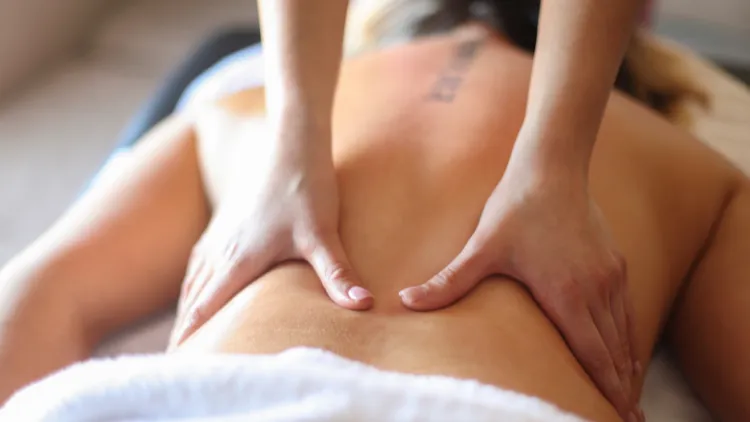
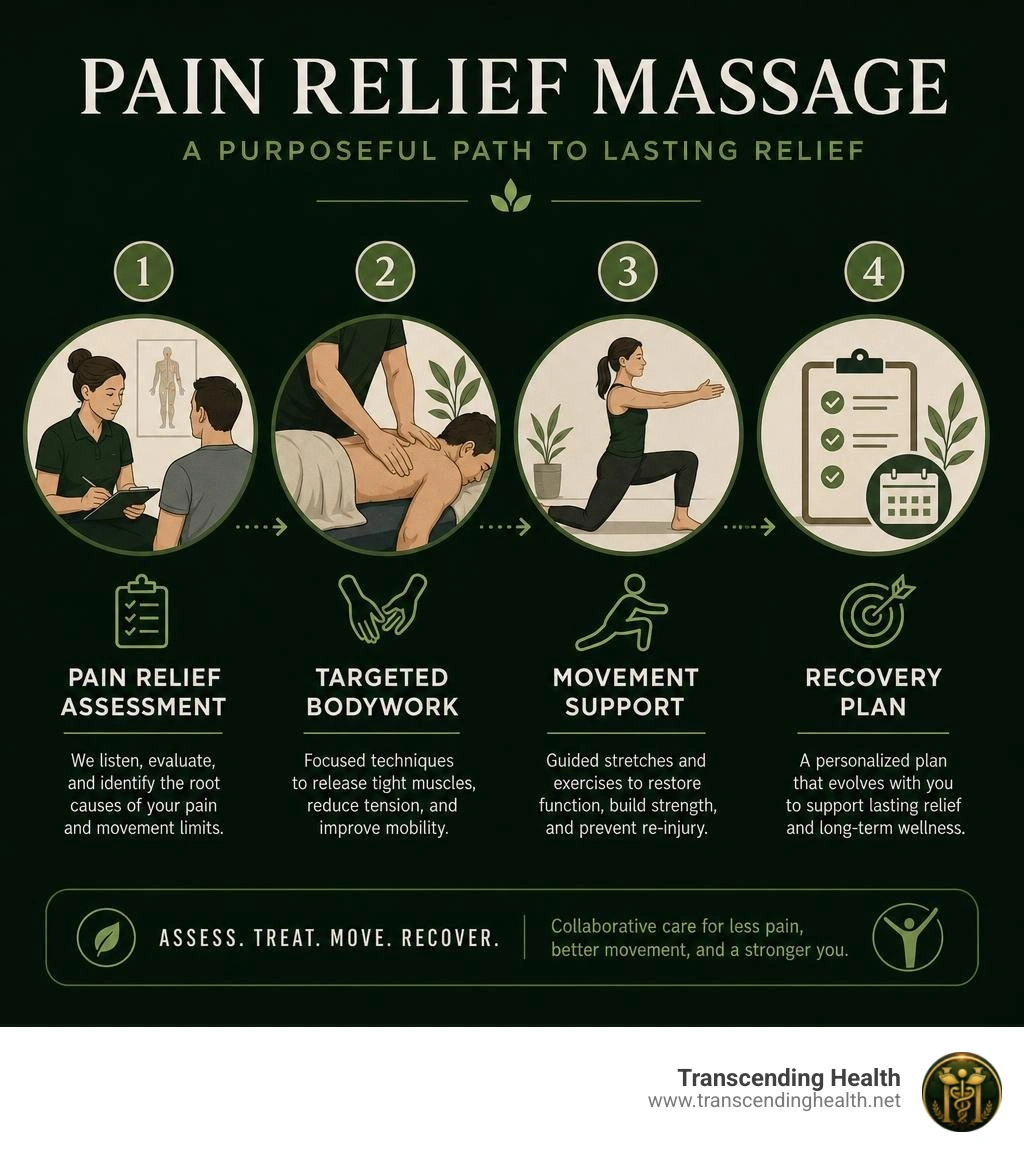
Pain relief massage is a focused, hands-on treatment for sore, tight, or overworked muscles. Rather than simply providing relaxation, a therapist assesses the painful area, applies pressure that fits your comfort level, and works on the muscle and connective-tissue patterns that may be limiting movement.
For ongoing back, shoulder, knee, or post-injury soreness, look for care that includes:
- A clear conversation about your pain, activity, health history, and goals.
- Targeted techniques such as deep tissue work, trigger point therapy, or myofascial release.
- A plan that combines massage with movement, corrective exercise, and other appropriate care.
Massage may ease muscle guarding, improve mobility, and calm the nervous system's heightened pain response. It should not require you to push through sharp or overwhelming pain. Research on chronic neck pain, for example, found that 60-minute therapeutic sessions two or three times weekly for four weeks outperformed shorter or less frequent massage.
At Transcending Health in Charlottesville, VA, we provide integrative, in-person care at 1445 Rio Road East, Suite 201, Charlottesville, VA 22901, and you can reach our clinic at 434-465-2905. Pain relief massage can also be coordinated with corrective exercise, acupuncture, laser, cryotherapy, and acoustic wave therapy, also called shockwave, when those options fit your goals.
I am Drew Edmondson, owner of Transcending Health, where I help build coordinated recovery plans that pair pain relief massage with hands-on therapy, movement support, and advanced recovery tools. Here are the massage approaches that can help you move with less soreness and more confidence.
6 Proven Modalities for Pain Relief Massage
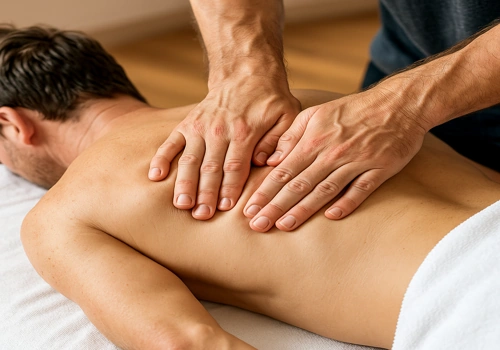
When addressing persistent muscle soreness, no single technique solves every issue. The human body is a dynamic kinetic chain composed of contractile muscle fibers, dense fascial networks, fluid channels, and neural pathways. Choosing the right modality ensures we target the exact tissue layer creating mechanical restrictions or feeding pain signals back to your spinal cord.
Whether your discomfort stems from a sudden sports injury or months of postural stress, manual modalities can systematically unwind restricted tissues, break up stubborn myofascial adhesions, and reduce acute soreness.
| Modality | Primary Focus | Best Suited For | Key Mechanism |
|---|---|---|---|
| Deep Tissue | Deeper muscle layers & tendons | Chronic lower back, hip stiffness, postural fatigue | Cross-fiber friction, tissue realignment |
| Trigger Point | Hyperirritable muscle knots | Referred pain, tension headaches, sciatica | Ischemic compression, local twitch release |
| Myofascial Release | Connective tissue (fascia) | Movement restrictions, post-surgical tightness | Sustained gentle shear, collagen remodeling |
| Restorative Bodywork | Whole-body alignment | Postural imbalances, persistent guarding | Structural integration, nervous system resets |
| Sports Massage | Performance recovery | Athletic strains, delayed onset muscle soreness | Dynamic stretching, active muscle flushing |
| Lymphatic Drainage | Interstitial fluid movement | Post-injury edema, systemic inflammation | Light rhythmic pumping, fluid clearance |
Deep Tissue and Trigger Point Therapy: Targeted Pain Relief Massage
When persistent muscular knots restrict your joint mobility or radiate discomfort down your limbs, targeted manual therapy offers profound relief. Trigger point massage zeroes in on hyperirritable nodules embedded within taut bands of muscle fibers. These knots produce localized ischemia, meaning restricted blood flow, and frequently cause referred pain, meaning a knot in your shoulder blade might actually trigger dull aching behind your eyes.
By applying controlled, sustained ischemic compression to these focal points, your therapist temporarily restricts local capillary flow. Releasing the pressure prompts a rapid influx of fresh, oxygenated blood, washing out metabolic byproducts and resetting the overactive neuromuscular junction.
Working alongside this, deep tissue massage addresses structural adhesions deep within muscle bellies and tendon attachments. Through deliberate techniques like cross-fiber friction and slow muscle stripping, we realign disorganized collagen fibers that form after repetitive strain or micro-tearing. Clinical resources on massage therapy and pain also describe how structured bodywork may support relief for some musculoskeletal conditions.
Myofascial Release and Restorative Structural Bodywork
Muscles do not exist in isolation; they are enveloped, interconnected, and stabilized by a continuous web of connective tissue known as fascia. When physical trauma, inflammation, or prolonged immobility occurs, this fluid network can dehydrate and densify, creating restrictive fascial restrictions that exert compressive force on pain-sensitive nerves and blood vessels.
Using gentle, sustained hands-on traction, myofascial release slowly elongates this restrictive matrix without forcing past tissue boundaries. This low-load tension allows the ground substance within your connective tissue to shift from a rigid, gel-like state into a pliable, fluid state, a process called thixotropy.
Incorporating restorative bodywork and structural integration principles helps restore three-dimensional postural balance across the entire skeleton. Rather than merely chasing where it hurts, structural work balances opposing muscle groups, freeing your ribcage, pelvis, and spine from chronic immobility so you can breathe, walk, and bend without compensations pulling you out of alignment.
Sports Massage and Lymphatic Drainage for Active Recovery
For athletes and active individuals, intense training and physical exertion inevitably lead to micro-damage, delayed-onset muscle soreness (DOMS), and the accumulation of metabolic waste within interstitial spaces.
Specialized sports massage combines active stretching, compression, and rhythmic percussive work tailored specifically to your training cycle. Applied pre-event, it increases tissue pliability and neural readiness; applied post-event, it accelerates muscle regeneration and prevents excessive scar tissue formation.
Complementing this work, manual lymphatic drainage uses delicate, skin-stretching strokes along lymphatic pathways to encourage the clearance of pooled interstitial fluid and cellular debris. By decongesting swollen tissues following acute sprains, intense athletic events, or surgical procedures, lymphatic therapy decreases fluid pressure against pain receptors, speeds tissue oxygenation, and establishes an optimal environment for accelerated cellular repair.
How Manual Therapy Alters Neurological Pain Signaling

To truly understand how massage alleviates persistent discomfort, we must look beyond purely mechanical explanations. Soft tissue manipulation works through profound neurobiological pathways, reshaping how your central nervous system perceives, interprets, and responds to sensory input.
Modern pain science confirms that hands-on bodywork modulates neural circuits, stimulates key mechanoreceptors, and initiates systemic neurochemical cascades that diminish distress signals traveling from peripheral tissues to the brain. Current massage therapy evidence summaries describe how these effects may help some people with pain and function when care is appropriately matched to their needs.
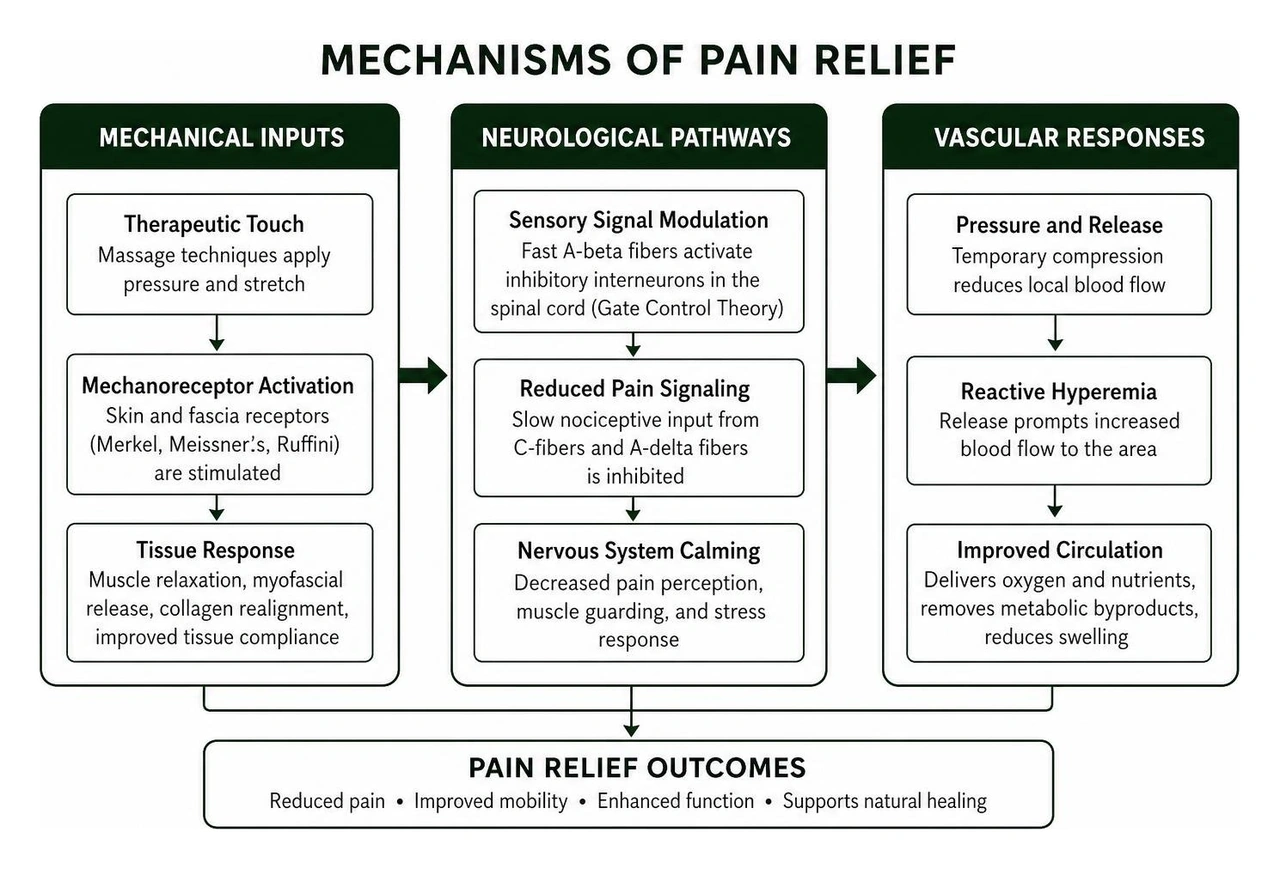
Neurological Gate Control and Nervous System Calming
The physiological foundation of manual analgesia relies heavily on the Gate Control Theory of pain, originally proposed by Ronald Melzack and Patrick Wall. When muscle tissue experiences irritation or strain, small, unmyelinated nerve fibers (C-fibers and A-delta fibers) carry nociceptive, or pain, signals up through the dorsal horn of the spinal cord to the brain.
During therapeutic touch, specialized low-threshold mechanoreceptors in your skin and fascia, such as Merkel discs, Meissner's corpuscles, and Ruffini endings, are activated. These receptors send fast signals along large-diameter, myelinated A-beta nerve fibers. Because these mechanical signals travel significantly faster than slow nociceptive inputs, they stimulate inhibitory interneurons within the spinal cord's substantia gelatinosa.
This interaction effectively closes the gate, preventing a significant portion of incoming pain messages from reaching conscious awareness in the brain.
Simultaneously, skilled bodywork stimulates the vagus nerve, down-regulating sympathetic nervous system activity, the fight-or-flight state, and boosting parasympathetic tone, the rest-and-digest state. This shift causes:
- A noticeable decline in circulating stress hormones like cortisol and epinephrine.
- Increased systemic release of endorphins, dynorphins, and enkephalins, the body's natural opiate-like pain modulators.
- A reduction in substance P, a neurotransmitter that amplifies pain transmission and neurogenic inflammation.
- Progressive lowering of muscle spindle sensitivity, releasing involuntary muscular guarding.
Circulation, Metabolic Clearance, and Tissue Oxygenation
Tense, hypertonic muscles exist in a state of sustained contraction that mechanically compresses adjacent micro-capillaries. This compression creates localized ischemia, starving muscle cells of oxygen and allowing irritating metabolic byproducts, such as lactic acid, bradykinin, and potassium ions, to accumulate. These chemical irritants continually sensitize local nociceptors, keeping the muscle locked in a self-perpetuating spasm-pain-spasm cycle.
Hands-on compression, kneading, and passive tissue mobilization produce immediate capillary dilation and increase local blood perfusion. This mechanical vascular flush restores cellular oxygenation, normalizes tissue pH, and removes accumulated inflammatory chemicals.
Furthermore, supporting fascial hydration ensures the fluid compartments of your connective tissue maintain the glide and elasticity needed to prevent friction between adjacent muscle sheaths, protecting against repetitive micro-strain.
Clinical Bodywork vs. Spa Relaxation: Choosing Targeted Care
Understanding the distinction between a spa-style massage and clinical bodywork is essential when seeking long-term relief from musculoskeletal pain.
While a traditional Swedish massage at a resort or day spa provides a wonderfully relaxing escape from daily stress, its primary objective is general relaxation and generalized circulatory support. Therapists follow a uniform, full-body routine using light-to-moderate sweeping strokes, rarely spending extended time unraveling complex orthopedic restrictions.
In contrast, clinical massage therapy is an outcome-driven, assessment-based musculoskeletal intervention. Before your therapist lays hands on you, they conduct an extensive medical intake, evaluate postural alignment, test active and passive ranges of motion, and perform specific orthopedic tests to identify the underlying drivers of your discomfort.
Rather than delivering a one-size-fits-all full-body sequence, the session focuses deliberately on dysfunctional movement patterns, structural imbalances, and the specific tissues perpetuating your symptoms.
When deciding between relaxation massage vs clinical massage, consider the clinical differences:
- Treatment Focus: Spa bodywork aims for full-body stress reduction; clinical bodywork targets specific functional deficits, postural strains, and injured tissues.
- Assessment Protocols: Clinical sessions include pre- and post-treatment movement screens, gait analysis, and palpation assessments to track measurable improvements in joint range of motion.
- Technique Integration: Clinical therapists dynamically combine deep tissue stripping, myofascial stretching, neuromuscular re-education, and trigger point deactivation based on real-time tissue feedback.
- Continuity of Care: Clinical therapy follows a structured treatment plan with specific milestones, adapting techniques over consecutive visits to support permanent tissue remodeling.
Designing an Effective Treatment and Recovery Protocol
Lasting pain relief rarely occurs by treating isolated symptoms. If you suffer from chronic lower back ache, the true underlying driver is often not your lumbar spine at all—it could be hypertonic hip flexors tilting your pelvis forward, dormant gluteal muscles failing to stabilize your hips, or restricted ankle dorsiflexion altering your gait mechanics.
Because the body instinctively creates compensatory movement patterns to bypass injured or painful areas, tension gradually migrates along the kinetic chain. Unraveling why pain keeps coming back requires addressing both the tight, restricted tissues and the faulty movement habits that caused them in the first place.
Pairing targeted soft tissue releases with corrective exercises ensures newly lengthened muscles are reinforced with active neuromuscular control.
Structuring a Pain Relief Massage Plan for Long-Term Recovery
Soft tissue remodeling and neuromuscular repatterning follow biological timelines. A single session can break up acute spasms and provide substantial short-term ease, but sustained recovery requires a progressive, structured treatment cadence:
- Acute Relief Phase (Weeks 1–3): For severe flare-ups or recent strains, 1 to 2 sessions per week focus on reducing local inflammation, decreasing muscular hypertonicity, deactivating active trigger points, and calming central nervous system sensitivity.
- Subacute Restoration Phase (Weeks 4–8): As baseline pain diminishes, appointments transition to once every 1 to 2 weeks. Here, the emphasis shifts toward breaking deep fascial adhesions, restoring full joint mobility, and integrating corrective movement patterns to build structural resilience.
- Maintenance and Performance Phase (Ongoing): Once functional movement is restored and baseline pain is resolved, monthly or bi-weekly maintenance sessions keep tissues supple, prevent compensatory tightness, and catch minor movement restrictions before they escalate into painful episodes.
Safety Screening, Medical Precautions, and Multimodal Care
While therapeutic massage is an exceptionally safe, non-pharmacologic therapy, thorough safety screening is vital before any clinical session. Therapists must screen for standard absolute and local contraindications, which include:
- Active phlebitis, deep vein thrombosis (DVT), or severe vascular disorders.
- Acute, unmanaged systemic infections or high fevers.
- Inflamed, broken, or infected skin conditions over the target area.
- Unhealed bone fractures or immediate post-operative wound sites without medical clearance.
- Uncontrolled hypertension or complex cardiovascular instability.
For complex orthopedic cases, targeted medical massage works best when integrated into a multimodal, collaborative care plan.
At Transcending Health, we frequently coordinate manual bodywork alongside physical therapy, chiropractic adjustments, acupuncture, and cutting-edge non-invasive therapies like SoftWave acoustic wave therapy (shockwave), localized cryotherapy, and targeted laser treatments. This comprehensive, whole-person approach ensures soft tissues, joints, and underlying cellular repair mechanisms are addressed simultaneously.
Frequently Asked Questions About Therapeutic Musculoskeletal Care
Does a therapeutic massage need to be painful to work?
No. The outdated concept of "no pain, no gain" is counterproductive in clinical bodywork. While therapeutic techniques may produce an intense, localized sensation often described as a "good hurt" or productive release, pushing into sharp, breath-holding pain triggers a protective stretch reflex.
When pressure exceeds your therapeutic threshold, your central nervous system interprets the touch as a threat, causing surrounding muscles to guard and tighten against the therapist's hands. Effective bodywork works with your nervous system, using firm, communicative pressure that allows tissues to melt without triggering defensive tension.
How many sessions are typically needed to resolve persistent muscle pain?
The total number of sessions depends on whether your condition is acute or chronic, as well as your overall tissue health and lifestyle factors. Acute muscle strains often show marked functional improvement within 2 to 4 targeted sessions.
Chronic pain patterns that have developed over months or years generally require a structured series of 6 to 10 sessions over a two-month period to systematically release deep fascial restrictions, repattern the nervous system, and allow healthy tissue remodeling.
Can therapeutic bodywork be integrated with other medical treatments?
Yes, therapeutic bodywork is an exceptional adjunct to standard medical and rehabilitative care. When coordinated alongside physical therapy, chiropractic adjustments, or orthopedic rehabilitation, soft tissue releases improve joint alignment retention and make corrective exercises more comfortable and effective.
Always inform your massage therapist of any concurrent medical treatments, medications, or post-operative restrictions so they can customize their protocols to support your broader recovery plan.
Conclusion: Restoring Function and Lasting Comfort
Living with persistent muscular aches, tight joints, and limited mobility drains your physical energy and keeps you from enjoying the active lifestyle you deserve. Pain relief massage is not a temporary luxury; it is a proven, evidence-based manual therapy that down-regulates sensitized nerve signaling, restores micro-vascular blood flow, unwinds deep fascial restrictions, and re-educates dysfunctional movement patterns.
By taking a whole-person, clinical approach to musculoskeletal recovery, you can break the exhausting cycle of chronic guarding and rediscover what it feels like to move with ease, strength, and confidence.
At Transcending Health, we are dedicated to helping our Central Virginia community achieve lasting comfort and optimal physical function through personalized, integrative care. Whether you are recovering from a sports injury, managing postural strain from desk work, or seeking relief from long-standing discomfort, our clinical team is here to support every step of your recovery journey.
If you are ready to experience the transformative benefits of specialized massage therapy in Charlottesville, we invite you to take the next step. Book your personalized clinical session directly by visiting our online schedule at https://www.transcendinghealth.net/appointment-calendar.