Find Back Massage That Fits Your Recovery Goals
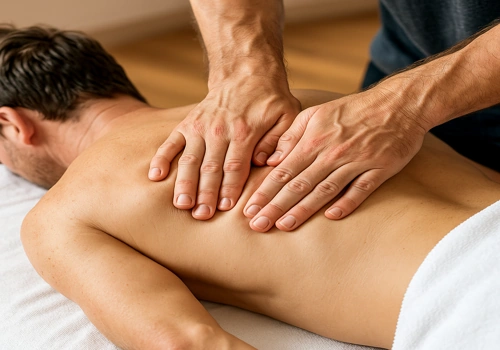
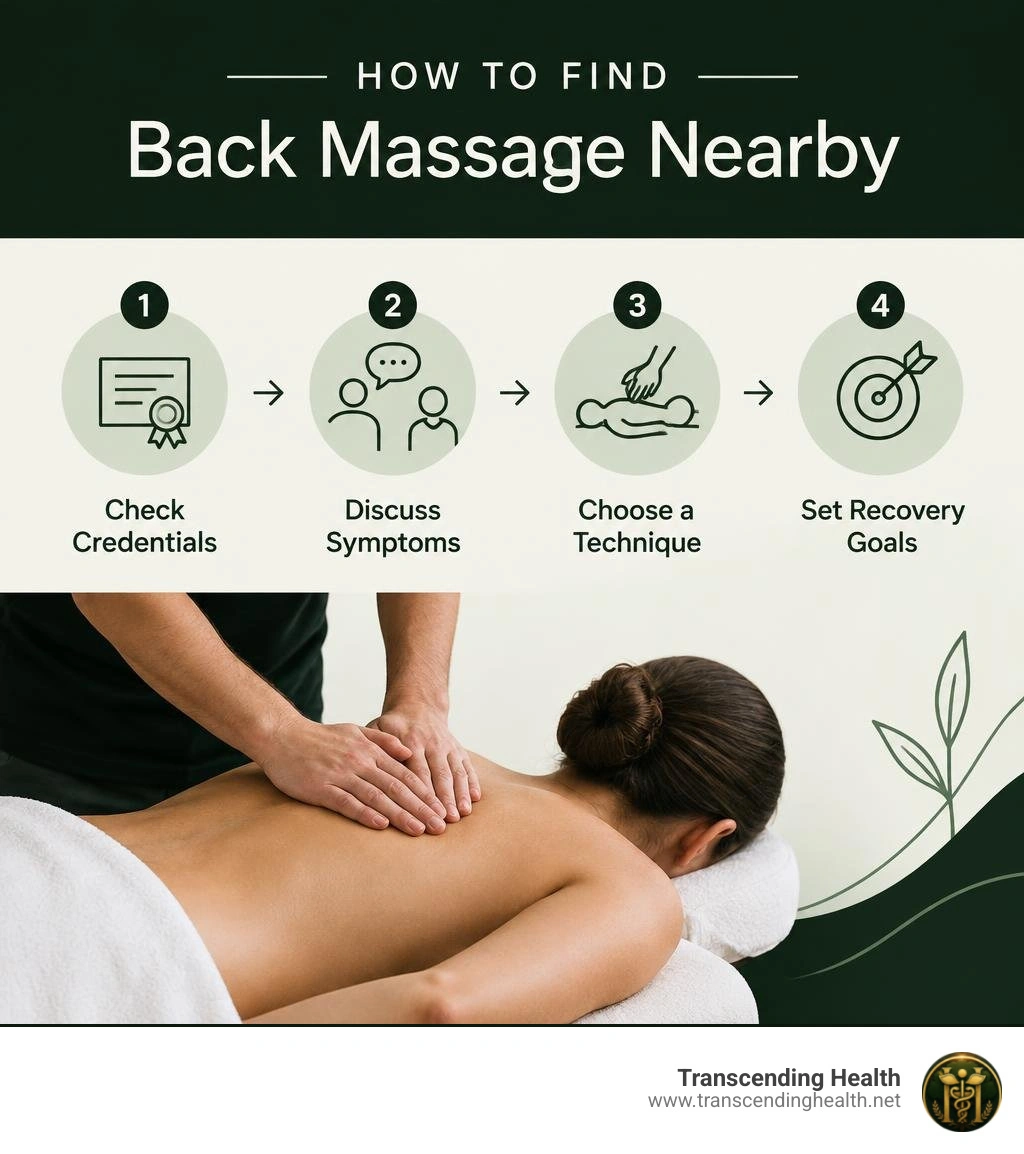
If you are looking for focused back pain relief in Charlottesville, start with a licensed therapist who asks about your pain patterns, health history, and movement goals before selecting a bodywork technique. For chronic back tightness, ensure your practitioner can modulate pressure depth and target specific muscular layers. If back discomfort is sudden, sharp, or follows a recent trauma, consult a medical doctor or qualified physician before scheduling manual care.
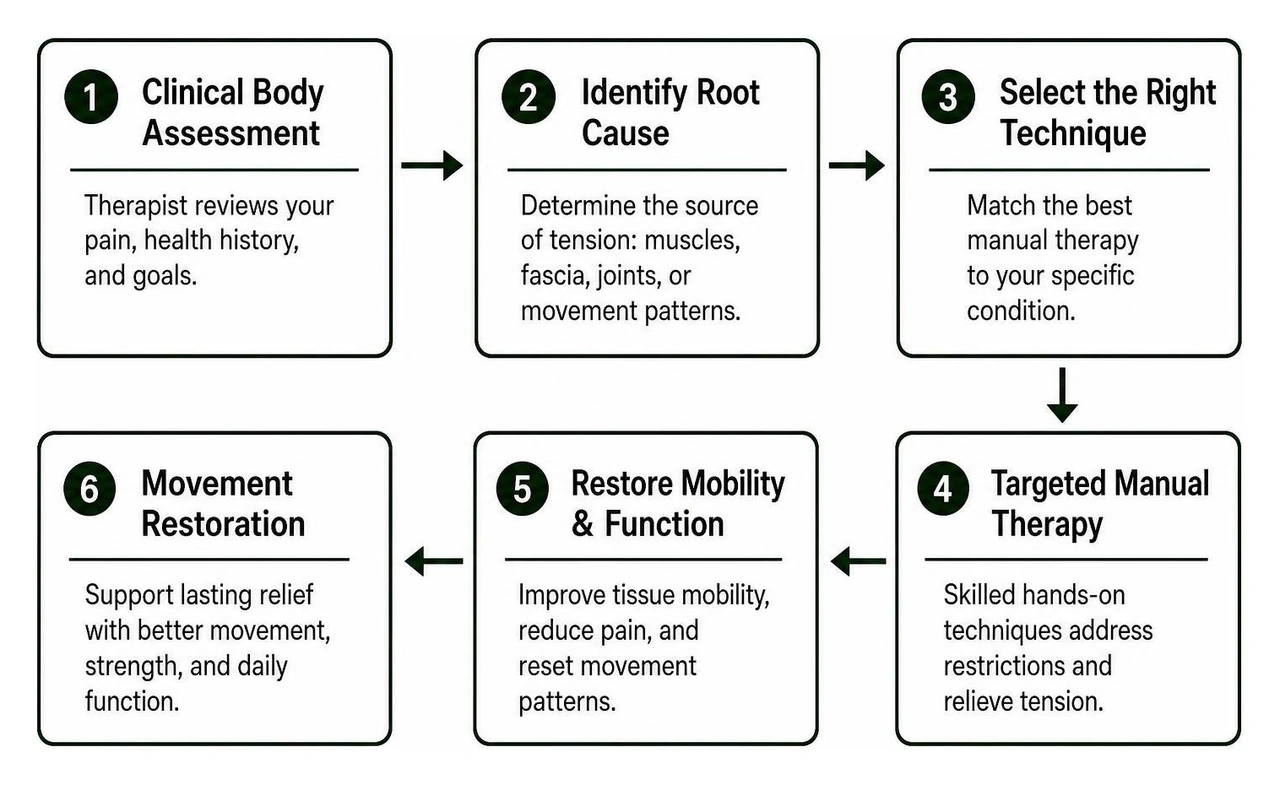
I'm Drew Edmondson, owner of Transcending Health, a human restoration and performance center located at 1445 Rio Road East, Suite 201 F, Charlottesville, VA 22901. When community members consult with me about spinal discomfort, I emphasize an integrative perspective. True musculoskeletal relief requires combining hands-on soft tissue manipulation with targeted movement assessment and corrective exercises. This well-rounded clinical strategy addresses the underlying biomechanical compensations behind persistent spinal tension rather than just offering brief, surface-level comfort.
A focused back session typically begins with a conversation about how your spine feels during daily activities: sitting at a desk, lifting groceries, bending to garden, or recovering from a workout. That context tells us whether your discomfort stems from postural fatigue, myofascial restriction, joint stiffness, or a combination of factors. From there, we can choose a manual therapy approach that matches your tissue's current state and your recovery goals. Some clients need slow, sustained pressure to release dense adhesions; others need gentle positioning work to calm an overactive nervous system. The right choice depends on what your body is telling us that day.
How Do I Choose the Right Technique for My Back Pain?
Achieving lasting spinal comfort begins by understanding the precise tissue mechanisms behind your discomfort. A dull, widespread ache across the lumbar region demands an entirely different approach than sharp, localized tension beneath the shoulder blade. According to research from the National Center for Complementary and Integrative Health, massage therapy can be an effective complementary approach for managing back pain and supporting functional recovery.
Different back issues originate in distinct anatomical structures. Superficial muscle fatigue typically responds well to fluid, rhythmic strokes that stimulate blood flow and downregulate a stressed nervous system. Conversely, deeper structural distortion, joint hypomobility, and restricted fascia demand targeted clinical bodywork that systematically releases myofascial adhesions and resets dysfunctional neuromuscular firing patterns.
| Modality | Primary Focus | Best For | Typical Sensation |
|---|---|---|---|
| Restorative / Relaxation | Superficial circulation & parasympathetic reset | General stress, mild fatigue | Gentle, rhythmic, soothing |
| Deep Tissue | Deeper muscle layers & myofascial adhesions | Chronic postural knots, dense muscle tightness | Firm, slow, focused pressure |
| Trigger Point | Hyperirritable muscle bands & referral pain | Specific radiating pain points, localized tension | Targeted, direct ischemic compression |
| Fascial Counterstrain | Deep fascial reflex arcs & spasm reduction | Acute guarded tissue, persistent spinal stiffness | Very gentle, passive positioning |
| Sports Recovery | Functional range of motion & tissue clearance | Post-workout stiffness, movement restrictions | Dynamic, assisted stretching, invigorating |
Comparing Modalities: Which Technique Fits My Pain?
When evaluating therapeutic options across Albemarle County, aligning the chosen technique with your tissue's healing stage produces the most reliable outcomes.
If you struggle with rigid muscular knots that restrict normal lumbar movement, our specialized deep tissue massage targets deep muscle layers and dense myofascial restrictions. This modality utilizes slow, deliberate strokes and sustained cross-fiber friction to restore tissue pliability. Clinical research published in PubMed on manual therapy demonstrates that targeted manual bodywork significantly improves lumbar mobility and aids in pain reduction.
When tissues exhibit acute guarding or protective spasms, deep pressure can trigger defensive bracing and heighten tension. In these cases, gentle fascial counterstrain provides a pain-free solution. By positioning the spine into passive comfort vectors, counterstrain releases hyperactive neuromuscular reflexes and decompresses trapped fascial layers without force.
Addressing Desk-Job Strain and Postural Tension
Sedentary workstation posture is among the most frequent drivers of spinal discomfort we see in Central Virginia. Hours of seated computer work create sustained eccentric strain across the rhomboids, trapezius, and thoracic erectors while shortening anterior chest muscles. Our clinical protocol for recovering from desk worker neck and back pain pairs anterior myofascial mobilization with posterior neuromuscular activation, relieving upper thoracic strain and letting your spine align naturally.
Many desk workers also develop a forward-head position that places extra load on the upper back and neck. When the head drifts forward of the shoulders, the muscles along the thoracic spine must work harder to keep you upright. Over time, that constant low-grade effort creates the tight, achy band many people describe between their shoulder blades. Manual therapy can release those overworked tissues, but lasting change also requires retraining the postural habits that created the strain in the first place. That is why we combine hands-on work with corrective exercise cues you can practice at your desk.
What Should You Expect from Clinical Back Massage Therapy?
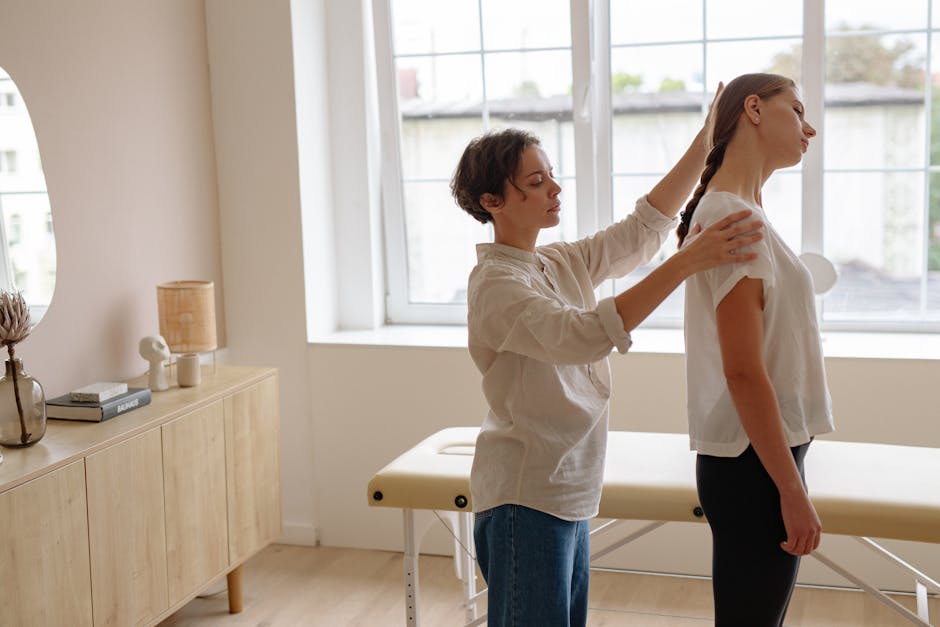
A premier manual therapy experience always begins with a comprehensive physical assessment rather than a generic routine. A qualified practitioner evaluates spinal curvature, scapular rhythm, pelvic symmetry, and tissue density to pinpoint primary restrictions. The American Massage Therapy Association emphasizes that client-centered assessment and evidence-informed practice are essential for achieving optimal therapeutic outcomes.
Throughout the session, your practitioner should consistently monitor your nervous system response and comfort. True therapeutic work operates within tissue tolerance without triggering guarded pain responses. When manual work respects the body's natural boundaries, soft tissues soften and realign efficiently.
How to Vet Providers for Spinal Recovery
Many clients come to our clinic after searching for the best back massages near me, seeking clinical expertise rather than a superficial spa routine. When choosing a professional manual therapy center in Charlottesville, verify these essential standards:
- Verified Credentials: Ensure your practitioner is a licensed massage therapist (LMT) with extensive training in orthopedic bodywork and clinical anatomy.
- Initial Consultation & Assessment: High-quality clinics perform a detailed intake of your health history and movement restrictions before providing hands-on treatment.
- Clinical Cleanliness: Treatment facilities must follow strict sanitization standards, using pristine linens and sanitized tools for every appointment.
- Collaborative Communication: Skilled therapists listen to your feedback during the session, modifying depth and modalities to suit your nervous system.
Key Enhancements That Elevate Back Recovery
Pairing manual bodywork with specialized recovery enhancements provides deeper, longer-lasting relief for persistent spinal discomfort:
- Gliding Cupping Therapy: Employs negative pressure to decompress restricted myofascial layers, stimulate microcirculation, and accelerate metabolic waste removal from overworked lumbar tissues.
- Hot Stone Therapy: Smooth, heated basalt stones warm hypertonic muscle tissue, increasing circulation and softening dense adhesions prior to targeted manual mobilization.
- Assisted Mobility and Stretching: Lengthens shortened hip flexors, hamstrings, and pectoral muscles that mechanically pull the spine out of optimal functional alignment.
A thorough back session should also leave you with a clearer understanding of why your back feels the way it does. When a therapist explains which muscles are restricted, how your posture contributes to the pattern, and what movements will reinforce the work, you can participate actively in your own recovery. That collaborative approach is what separates a generic back rub from clinical manual therapy.
When Should You Avoid or Modify a Back Massage?

Although manual therapy is safe and beneficial for most individuals, specific medical conditions require tailored modifications or clearance from a physician. The Mayo Clinic massage safety guidelines outline several clinical situations where standard bodywork techniques should be modified or avoided:
- Acute Spinal Injury or Fracture: Direct manual pressure over acute vertebral fractures, severe trauma, or unhealed bone injuries is strictly contraindicated.
- Severe Disc Herniation: Active spinal radiculopathy with sharp neurological pain, numbness, or progressive muscle weakness requires medical assessment and gentle, non-aggressive positioning rather than heavy lumbar force.
- Deep Vein Thrombosis (DVT): Suspected blood clots or unexplained leg swelling require immediate medical care; direct massage over affected areas must be avoided to prevent clot dislodgement.
- Active Local Skin Infections: Inflammatory conditions, open wounds, burns, or contagious skin eruptions should never be massaged directly.
Always share your complete medical history, ongoing prescriptions, recent surgeries, and cardiovascular conditions with your therapist so your treatment plan can be safely tailored. If you are unsure whether manual therapy is appropriate for your situation, call our clinic before booking. We can discuss your symptoms and, when needed, refer you to a physician for clearance. A thoughtful pre-session conversation protects your safety and ensures the work we do supports your healing rather than complicating it.
Frequently Asked Questions About Back Massage Therapy
How long should a back massage session last for optimal results?
A 60-minute session provides sufficient time to warm superficial tissues, release targeted trigger points, and address isolated muscular tension across the upper or lower back. If you experience chronic, multi-region stiffness involving compensatory imbalances through the hips, pelvic girdle, spine, and neck, a 90-minute appointment allows for a thorough structural assessment and comprehensive full-body manual integration.
How often should I get therapeutic manual therapy for chronic back tightness?
During an acute recovery phase, receiving manual bodywork once every one to two weeks helps release stubborn fascial restrictions and re-educate dysfunctional movement habits. Once pain subsides and mobility returns, scheduling maintenance appointments every three to four weeks maintains structural balance, prevents postural compensations from returning, and supports long-term spinal health.
Can I book same-day appointments online?
Many manual therapy clinics offer digital scheduling platforms showing real-time openings. While same-day appointments occasionally open up due to client schedule adjustments, reserving your session several days in advance ensures you secure a time that aligns perfectly with your personal schedule.
Upgrade Your Back Recovery in Charlottesville
At Transcending Health, we believe sustainable relief requires addressing the root causes of musculoskeletal restriction. By integrating detailed movement assessments, comprehensive manual massage therapy, and corrective exercise strategies, we help you restore functional mobility and long-term vitality.
To schedule your session, contact our clinic at 434-465-2905, email info@transcendinghealth.net, or book directly via our online appointment calendar.