
Good Massages for Back Pain Start With the Right Kind of Pressure
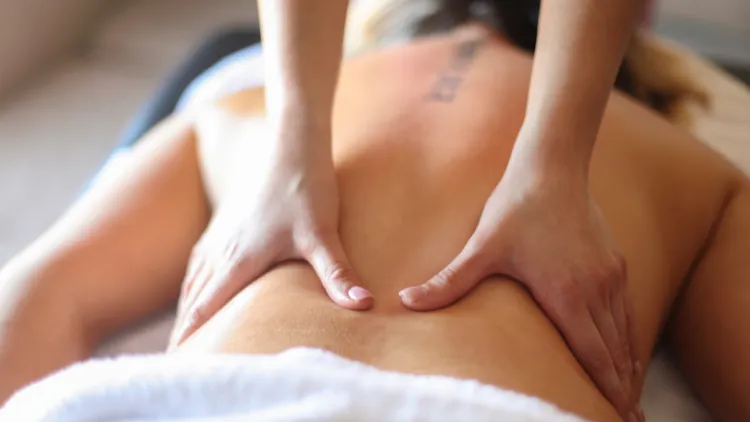
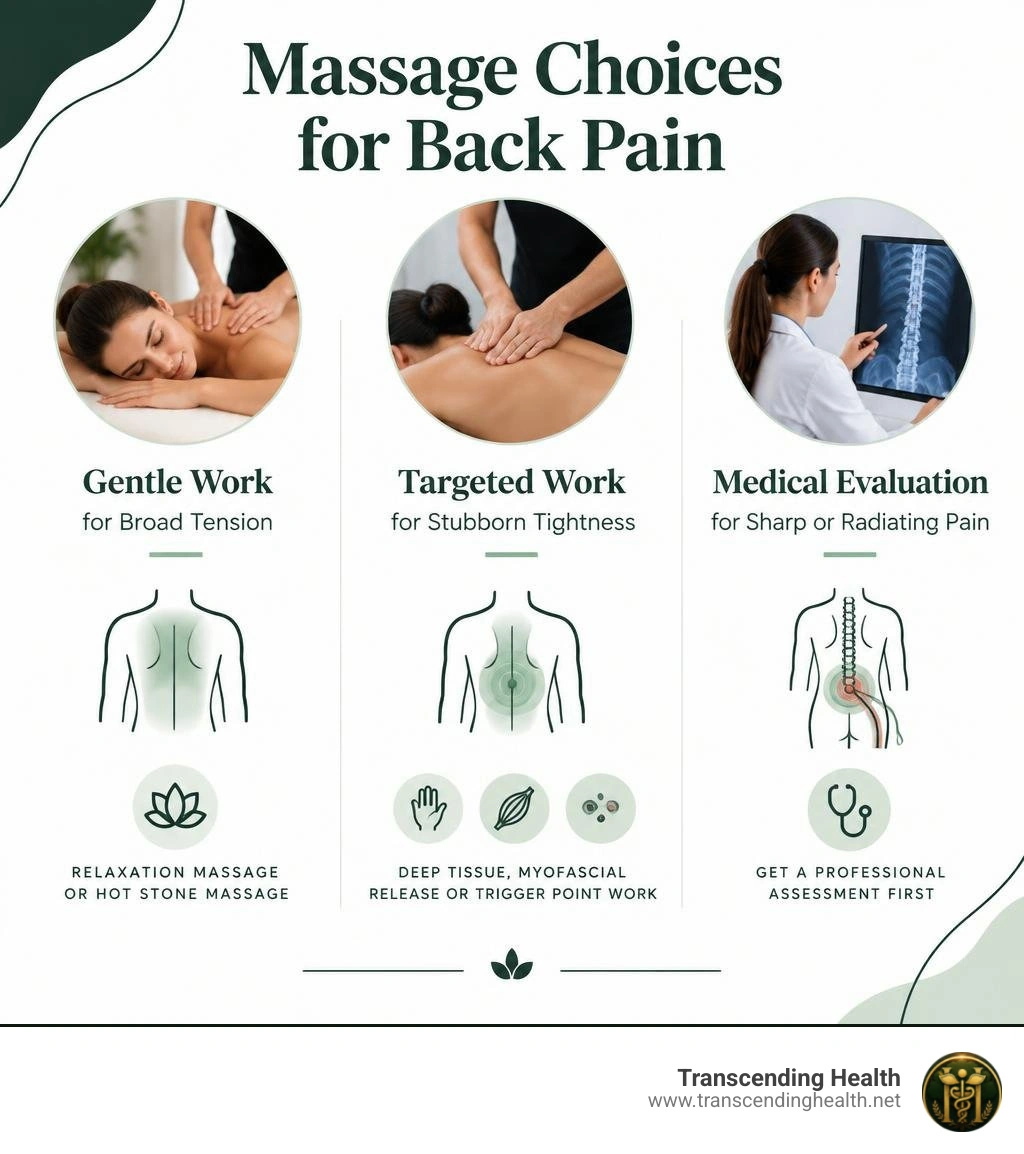
Good massages for back pain depend on what hurts and how it feels. Gentle relaxation or hot stone massage may suit a broad, tense ache. Deep tissue, myofascial release, or trigger point work may help with stubborn muscle tightness. If pain is new, sharp, or travels down your leg, start with a medical evaluation rather than pushing through a firm massage.
Massage can ease tension and make movement more comfortable, but it works best as part of a plan that also addresses how you move each day.
I’m Drew Edmondson, owner of Transcending Health, a human restoration and performance center at 1445 Rio Road East, Suite 201 F, Charlottesville, VA 22901. My work bringing hands-on care, corrective exercise, and recovery tools together shapes how I approach good massages for back pain: start with the person, not a preset technique. Whether you sit at a desk in Albemarle County or train for outdoor athletics across Central Virginia, personalized bodywork helps release mechanical restrictions and restores natural spinal alignment.
What Causes Back Tension and How Does Bodywork Help?
Back pain rarely happens out of nowhere. Most mechanical low back discomfort stems from daily postural fatigue, prolonged sitting, repetitive lifting, or unmanaged stress. When you sit hunched over a desk for hours, your hip flexors shorten, your glutes turn off, and your spinal erectors work overtime just to keep you upright. Our desk worker guide on neck and back pain covers how sustained desk posture places continuous strain on these postural stabilizers.
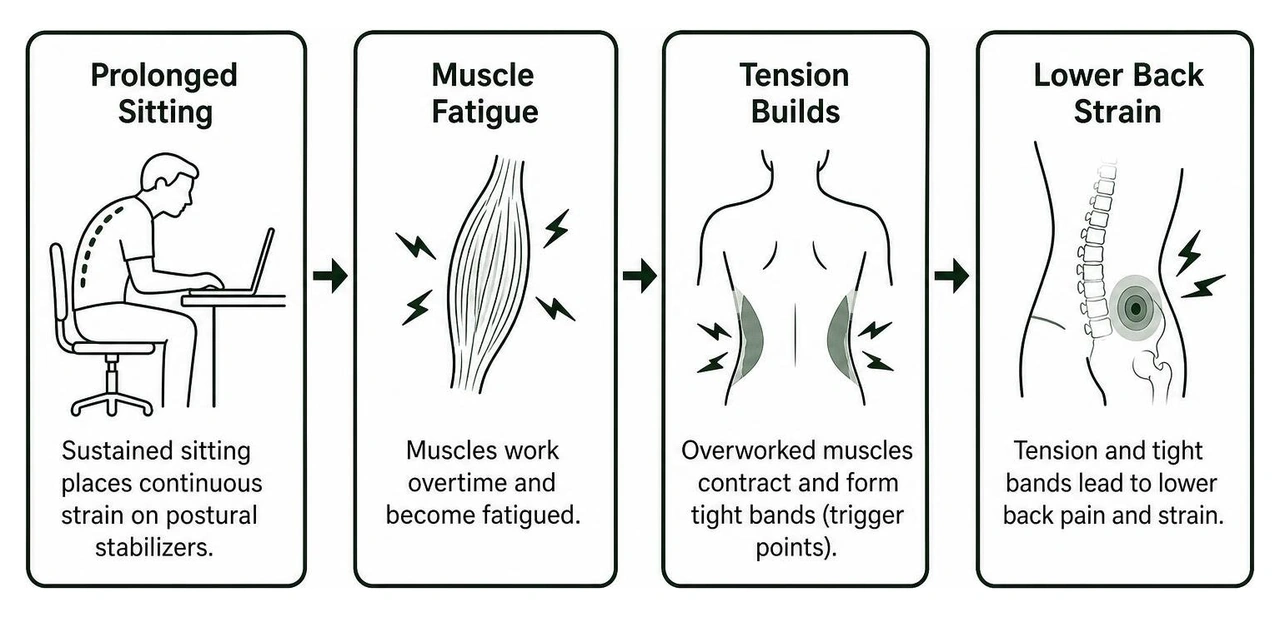
Over time, overworked muscle fibers contract and form hyperirritable bands known as trigger points. These tight knots restrict local blood flow, creating areas of localized ischemia where cellular waste builds up and tissues become deprived of oxygen. The nervous system responds by tightening the surrounding muscles further to protect the area, creating a frustrating cycle of pain and protective spasm.
Targeted bodywork interrupts this cycle. Skilled manual therapy applies direct pressure to restore circulation, warm the connective tissues, and signal the nervous system to downshift out of fight-or-flight mode into rest and recovery. According to a large randomized controlled trial published in the Annals of Internal Medicine, massage significantly relieved chronic back pain and restored daily function for participants over ten weeks compared to usual care alone. By releasing shortened tissues and soothing overstimulated sensory receptors, intentional bodywork creates an ideal physiological window for movement re-education and lasting spinal relief.
Which Good Massages for Back Pain Provide the Most Relief?
There is no single "best" massage for back discomfort. Finding good massages for back pain depends entirely on whether your issue is driven by chronic postural stiffness, localized muscle knots, or referred nerve irritation. Understanding the unique focus and pressure depth of each modality ensures you receive care matched to your exact physical state.
| Massage Modality | Best Used For | Pressure Level | Primary Mechanism |
|---|---|---|---|
| Deep Tissue Massage | Chronic, dense muscular tightness | Moderate to Firm | Breaks adhesions in deep tissue layers |
| Medical Massage | Specific diagnosed musculoskeletal conditions | Targeted / Variable | Clinical protocols tailored to individual issues |
| Myofascial Release | Broad fascial restrictions and tightness | Sustained / Gentle to Firm | Elongates bound fascia across muscle chains |
| Trigger Point Therapy | Localized hyperirritable knots and referred pain | Direct, focused pressure | Deactivates ischemic points to restore tissue length |
| Hot Stone Therapy | Widespread tension, muscle guarding, and stress | Gentle to Medium | Uses heat to improve vasodilation and relax tissue |
Deep Tissue and Medical Modalities as Good Massages for Back Pain
For long-standing, dense aches, deep tissue bodywork targets the deeper structural layers of muscle and fascia. Rather than rubbing the surface, the therapist uses slow, intentional strokes with thumbs, forearms, or elbows to soften rigid fibers along the erector spinae, quadratus lumborum, and gluteal complex. This sustained work releases cross-fiber adhesions and restores gliding capacity between adjacent muscle bundles.
When you are working through a specific structural imbalance or recovering from a strain, medical massage provides an assessment-led, targeted approach. It focuses on the specific muscle groups contributing directly to your discomfort rather than offering a generalized full-body sequence. Clinical protocols evaluate joint range of motion and tissue texture to deliver measurable improvements in functional movement.
Myofascial Release and Trigger Point Therapy: Good Massages for Back Pain and Sciatica
When back pain travels into the hip, glute, or down the leg, the issue often involves fascial tension or nerve entrapment. In piriformis syndrome, a tight piriformis muscle compresses the sciatic nerve, mimicking true disc herniation symptoms.
Myofascial release applies sustained pressure to loosen bound connective tissue sheets, while trigger point therapy deactivates taut bands that refer pain into the hips and legs. Therapists often blend these methods to relieve compression around the sciatic pathway, calming nerve irritation and restoring normal hip mobility.
Hot Stone Therapy and Assisted Stretching
If severe muscle guarding makes firm pressure uncomfortable, thermotherapy offers a gentle entry point. Hot stone therapy uses smooth, heated basalt stones to warm the tissues, encouraging vasodilation and increasing blood flow to stiff lumbar regions. Once the muscles are warmed and pliable, integrating assisted stretching helps restore mobility through the hips, hamstrings, and pelvis, decompressing the lower lumbar spine naturally.
What Does Clinical Research Say About Massage Therapy for Back Pain?
Scientific research supports bodywork as an effective, low-risk approach for spine health. In a clinical trial on connective tissue and classical massage, researchers evaluated 70 adults with chronic mechanical low back pain over a 4-week protocol (Er & İ, 2023). The study found that both modalities significantly decreased pain intensity, reduced disability scores, and improved overall sleep quality, with benefits persisting through the follow-up period.
Furthermore, a systematic literature review on massage modalities highlighted that therapeutic bodywork consistently improves range of motion, alleviates functional disability, and calms stress responses associated with long-term back conditions (Netchanok et al., 2012). These peer-reviewed findings confirm that structured soft tissue therapy provides meaningful structural, functional, and neurological benefits for managing chronic spine discomfort.
How Can You Support Pain Relief at Home Between Sessions?
Bodywork delivers the best results when paired with consistent self-care at home. You can keep your tissues pliable between appointments with simple tools and habits:
- Tennis Ball Release: Lie on your back with knees bent and place a tennis ball or lacrosse ball under your glutes or upper back (avoiding the direct spine). Pause on tight areas while taking slow, deep diaphragmatic breaths.
- Foam Rolling: Gently roll your glutes, hamstrings, and thoracic spine regularly to maintain fascial hydration and tissue slide.
- Movement Breaks: Set a timer to stand up, walk, and stretch regularly throughout the day to prevent spinal erector fatigue and hip flexor shortening.
- Gentle Heat: Apply a warm heating pad to your lower back before bed to relax tight muscles and support restful sleep.
- Pelvic Tilts and Cat-Cow: Perform gentle dynamic pelvic mobility exercises on a comfortable mat to re-engage deep stabilizers and lubricate lumbar facet joints.
When Should You Seek Medical Evaluation for Back Pain?
While massage therapy is safe and effective for mechanical tension, certain symptoms require direct evaluation by a physician before receiving manual therapy:
- Pain accompanied by numbness, tingling, or progressive muscle weakness in your legs or feet
- Sudden loss of bowel or bladder control (a sign of cauda equina syndrome, requiring immediate emergency care)
- Severe pain following major trauma, such as a fall or motor vehicle accident
- Back discomfort accompanied by unexplained fever, chills, or sudden, unintended weight loss
- Pain that is relentless, non-mechanical, and worsens significantly when lying flat at night
If red-flag symptoms are absent, manual therapy remains an exceptional non-invasive choice for relieving muscular tightness and restoring comfortable spine mechanics.
How Should You Plan Massage Visits and Respond to Symptoms?
Planning Massage Visits for Chronic Back Pain
Most individuals find cumulative relief with an initial series of sessions to address stubborn tension patterns, followed by maintenance visits to sustain mobility and prevent recurring structural tightness.
Using Massage Safely With Back Pain or a Herniated Disc
Aggressive pressure directly over an acutely inflamed area or disc herniation can cause reactive muscle guarding. Clear communication with your therapist ensures pressure remains comfortable, therapeutic, and focused on surrounding compensatory muscle tension rather than acute inflammation.
What to Expect After a Back Massage
Many people experience immediate relaxation and reduced tension right off the table, though chronic structural patterns often need ongoing movement work to achieve lasting ease and functional stability.
Frequently Asked Questions about Good Massages for Back Pain
At Transcending Health, sustainable pain relief starts with looking at the whole picture. Targeted massage therapy can be paired with restorative movement, structural assessment, and recovery tools to support comfortable movement.
How often should you schedule a massage for chronic back pain?
An initial series of sessions may help address stubborn tension patterns, followed by maintenance visits that support mobility and help prevent recurring tightness.
Can massage therapy worsen back pain or a herniated disc?
Aggressive pressure directly over an acutely inflamed area or disc herniation can cause reactive muscle guarding. Clear communication with your therapist helps keep pressure comfortable and focused on surrounding compensatory muscle tension rather than acute inflammation.
How quickly can you expect results from back massage?
Many people experience immediate relaxation and reduced tension after a session, though chronic structural patterns often need ongoing movement work to support lasting ease and functional stability.
Ready to find lasting relief? Book an appointment through our online calendar to schedule your initial consultation and personalized session. You can also reach Drew Edmondson and the Transcending Health team at 434-465-2905 or by email at info@transcendinghealth.net.