Thai Deep Tissue Massage: Stretching Meets Targeted Pressure
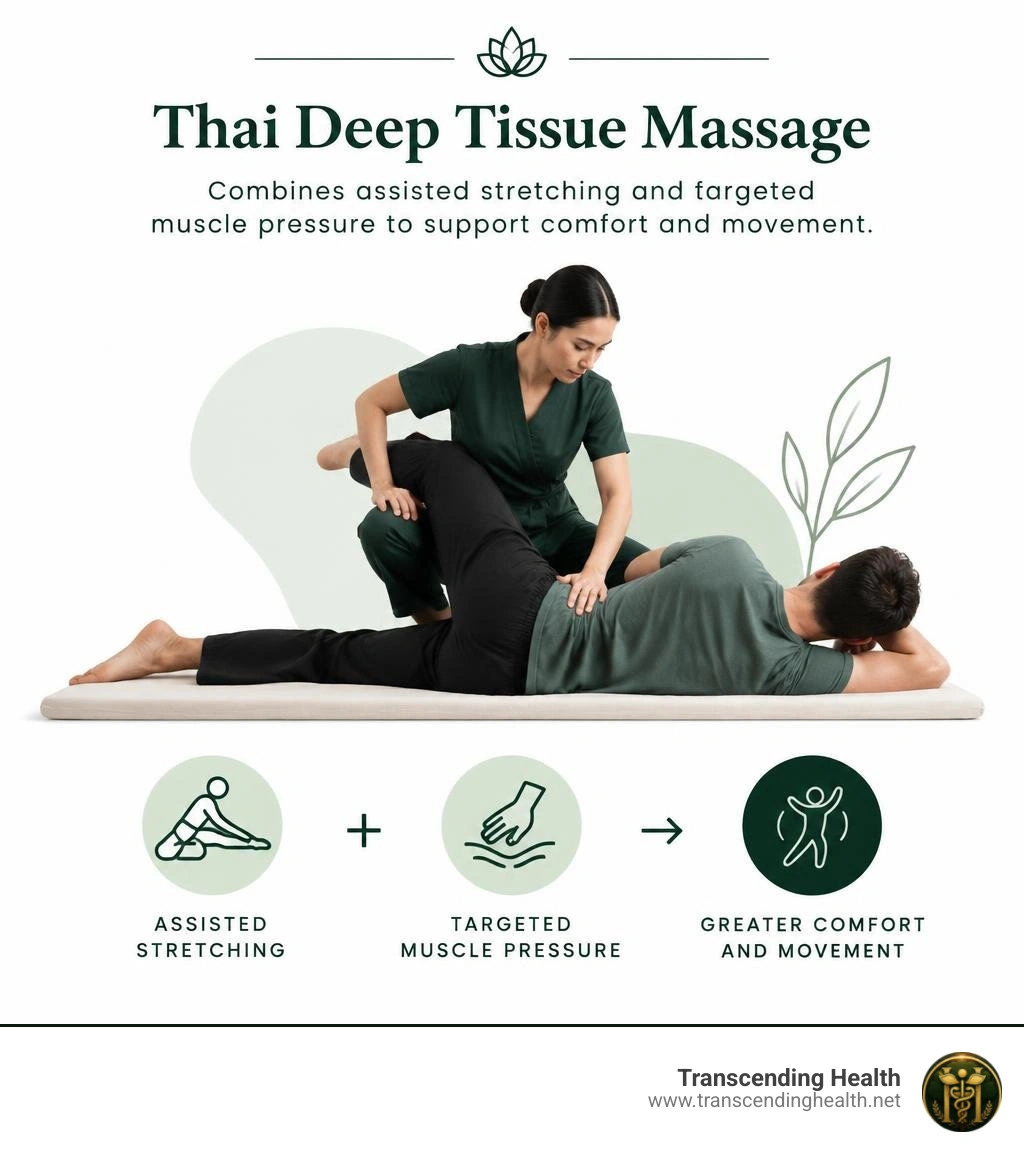
Thai deep tissue massage combines assisted stretches from traditional Thai massage with slow, firm pressure on tight muscles. Unlike a relaxation massage, it focuses on areas that feel stiff or sore while also helping you move through a comfortable range of motion. Pressure and stretching should be adjusted to your body, not pushed through pain.
That mix may appeal to active adults dealing with stubborn back or shoulder tension, or stiffness after training. It is one option for easing discomfort and supporting movement, not a substitute for care when pain is new, severe, or worsening. By synchronizing broad compression with progressive lengthening, this hybrid modality targets deep myofascial layers while keeping your body relaxed and mobile. Many people in Central Virginia first try it after sitting too long at a desk or pushing hard through a weekend of yard work, and find the combination of stretch and pressure addresses both the soreness and the stiffness at once.
I'm Drew Edmondson, owner of Transcending Health in Charlottesville. My work bringing massage, corrective exercise, and recovery services together shapes how I think about Thai deep tissue massage: as one part of a comprehensive care plan built around the individual, helping you regain functional movement and daily physical ease.
What Makes Thai Deep Tissue Massage Unique?
When clients visit our human restoration center here in Charlottesville, they often ask how this approach differs from standard table work. Traditional Eastern bodywork views the body through continuous energy lines called Sen lines. In Western anatomy, these pathways map remarkably close to our myofascial meridians—interconnected sheets of connective tissue that wrap around muscles, bones, and joints.
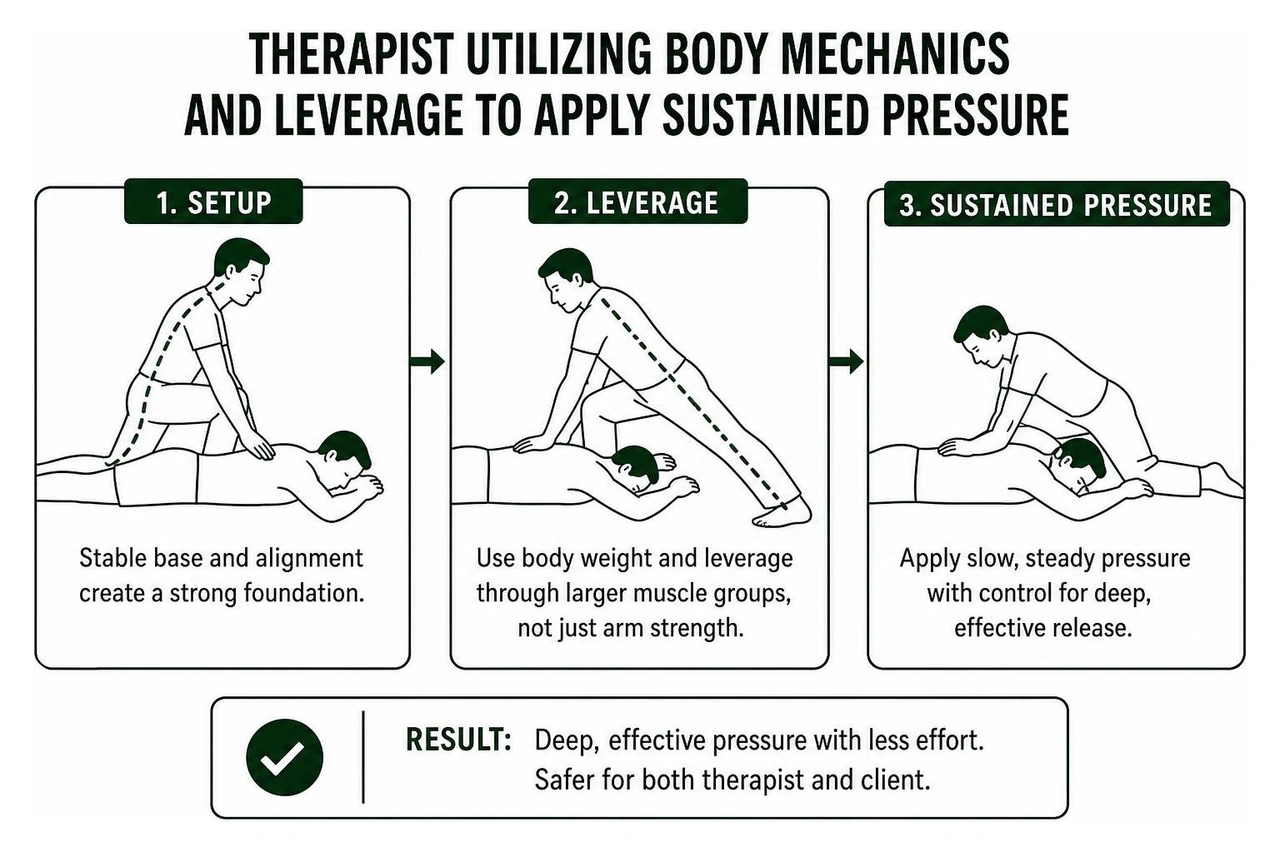
Instead of relying solely on hand strength, a practitioner uses body mechanics, leverage, and body weight. We apply rhythmic compression and sustained contact using forearms, elbows, knees, and feet to access dense muscle layers without causing unnecessary surface irritation. This mechanical efficiency allows for deep, broad structural engagement that feels grounding rather than sharp or jarring. It also means the practitioner can sustain pressure for longer periods without fatigue, which matters when working through dense, guarded tissue.
Blending Sen Line Energy Work with Deep Myofascial Release
By following energy pathways along the legs, back, and shoulders, the therapist addresses entire kinetic chains rather than isolated sore spots. Connective tissue often holds tension along these pathways. Sustained pressure encourages the nervous system to downshift, which helps overly guarded muscles release naturally and restores functional tissue glide across multiple joint segments.
Assisted Yoga Stretches Meet Targeted Trigger Point Therapy
Passive stretching opens the joint capsule and lengthens restricted muscle fibers. When combined with localized trigger point therapy, the therapist can soften stubborn knots right as the muscle is placed into a lengthened position. This dual-action approach encourages improved joint mobility, tissue elasticity, and deeper neuromuscular recalibration.
How Does It Compare to Traditional Thai and Western Modalities?
To understand why this hybrid style is so effective, it helps to see how it bridges the gap between classic floor work and focused muscular therapy:
| Feature | Traditional Thai Massage | Standard Western Deep Tissue | Hybrid Thai Deep Tissue |
|---|---|---|---|
| Typical Setting | Padded floor mat | Treatment table | Floor mat or wide table |
| Primary Medium | Fully clothed, no oils | Draped, oils or lotions used | Clothed or lightly oiled |
| Movement Style | Rhythmic rocking & passive stretches | Static, linear strokes | Dynamic stretches & deep compression |
| Pressure Depth | Mild to moderate energetic work | Intense, localized pressure | Broad, deep structural pressure |
| Body Focus | Whole-body energy lines | Isolated tight muscle groups | Integrated kinetic chains |
Thai Deep Tissue Massage vs. Traditional Thai Bodywork
Classic Thai sessions rely on rhythmic rocking, gentle mobilization, and broad palming. While wonderful for general relaxation, standard sessions may not stay on specific myofascial adhesions long enough to break up dense scar tissue. A deep tissue hybrid adds sustained compression with elbows and forearms to release deep-seated tension while honoring the rhythmic flow of traditional movement.
Thai Deep Tissue Massage vs. Standard Deep Tissue Work
Standard deep tissue work typically isolates one muscle group at a time on a massage table. In contrast, Thai deep tissue incorporates multi-planar, assisted stretches. This engages your nervous system, improves joint range of motion, and lengthens surrounding tissue, creating lasting structural balance throughout the entire body.
What Are the Key Health and Mobility Benefits?

Research published in the Annals of Internal Medicine found that massage therapy provides meaningful relief for persistent back pain, with functional benefits lasting for months. A systematic review in Pain Medicine similarly noted that massage can reduce pain intensity and improve function in people with chronic low-back pain. Furthermore, clinical reviews highlighted by the National Center for Complementary and Integrative Health (NCCIH) emphasize that skilled hands-on bodywork can support pain management and emotional well-being by reducing autonomic stress markers.
By combining deep muscular work with assisted movement, Thai deep tissue massage supports your physical health in several distinct ways:
- Eases Persistent Back and Hip Strain: Targeted compression along the glutes, piriformis, and lower back helps take tension off the lumbar spine and pelvic stabilizers.
- Encourages Fascial Hydration and Mobility: Slow, broad strokes deform tight fascia, drawing fluid back into compressed tissues to restore glide between muscle layers.
- Supports Postural Alignment: Lengthening shortened chest and hip flexor muscles allows the skeleton to rest in a more upright, neutral posture.
- Improves Healthy Circulation: Rhythmic compression flushes metabolic waste out of stagnant tissues, delivering fresh oxygen and nutrients to overworked muscle fibers.
If you are exploring comprehensive care options, our dedicated massage services in Charlottesville provide an integrated path toward total body restoration.
Who Benefits Most from This Integrated Bodywork Style?
This hybrid therapy is well suited for modern lifestyle challenges across Central Virginia:
- Desk-Bound Professionals: Sitting for long hours creates forward head posture, internally rotated shoulders, and tight hip flexors. Combining deep pressure with passive chest openers helps unwind these static postural patterns.
- Athletes and Runners: Training builds dense muscular tension and delayed-onset muscle soreness (DOMS). Deep tissue work and assisted mobility help speed tissue recovery and maintain joint range of motion.
- Chronic Pain Sufferers: People managing persistent tension throughout Albemarle County find that the combination of traction and neuromuscular release calms an overactive nervous system without aggressive joint popping.
For those looking to build a broader recovery routine, our personal training and corrective exercise services can complement this type of bodywork by addressing the movement patterns that contribute to recurring tightness.
What Should You Expect Before, During, and After Your Session?
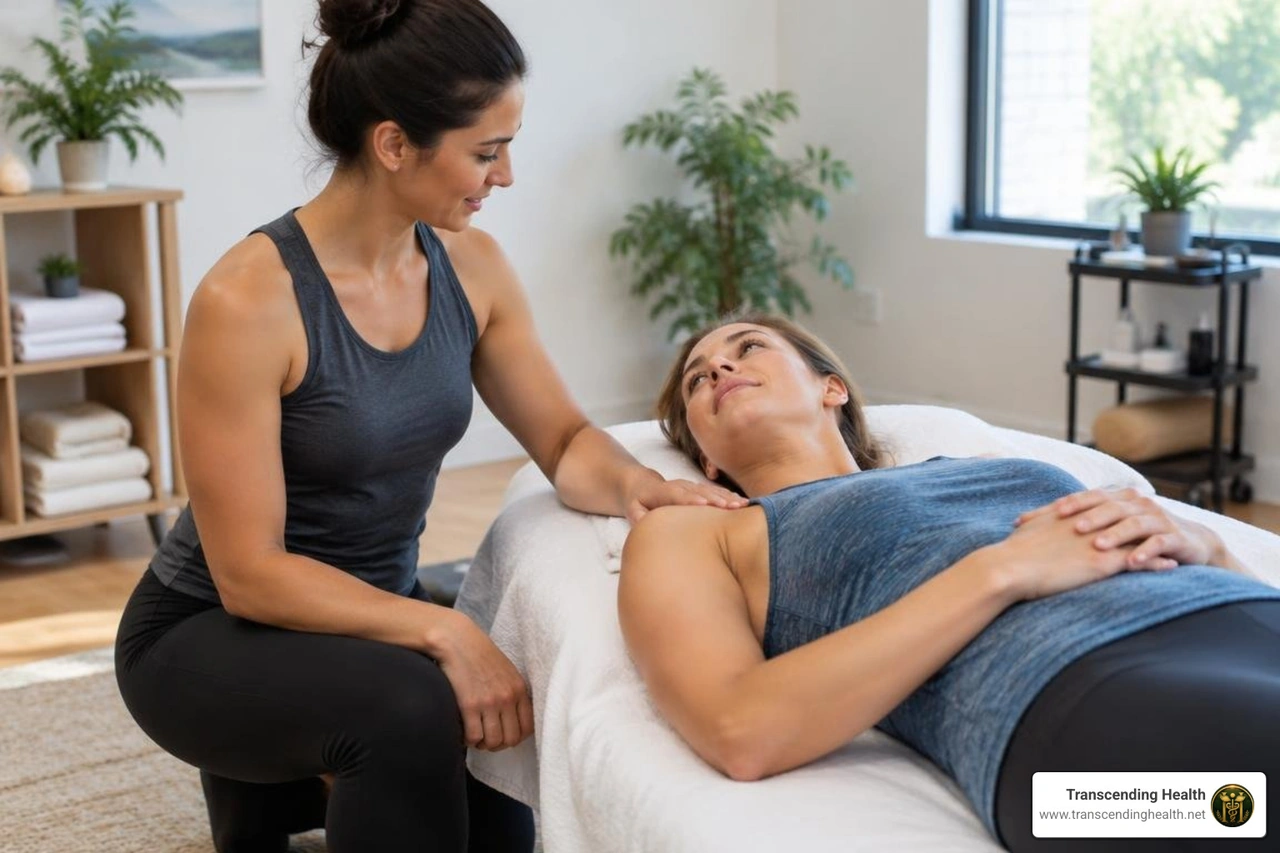
A professional session begins with a personalized consultation to identify your movement limitations, daily habits, and comfort levels.
- Attire and Setup: You will typically wear loose, comfortable clothing (such as athletic wear) to allow unrestricted movement during stretches.
- Pressure Calibration: The therapist applies body weight gradually, checking in to ensure the pressure stays within a comfortable, restorative range. You should always feel able to breathe smoothly without clenching your jaw or guarding your muscles.
- Aftercare and Recovery: Afterward, drink plenty of water to support tissue hydration. Mild muscular soreness is normal for 24 to 48 hours, much like the feeling after a good workout. Gentle walks, light stretching, and warm baths will help your body adapt to its new range of motion.
For clients seeking deeper alignment and tissue balance, we often recommend exploring structural integration as part of their long-term wellness strategy.
Frequently Asked Questions About Thai Deep Tissue Bodywork
Is Thai deep tissue work painful?
It should never involve sharp or overwhelming pain. While deep pressure on chronic adhesions can create intense sensation—often described as a productive or relieving ache—your therapist continuously calibrates the depth to match your tissue tolerance and breath, watching for non-verbal cues as much as listening to feedback.
How often should you schedule sessions for chronic tension?
For acute tightness or stubborn postural imbalances, receiving work every one to two weeks provides compounding benefits. Once mobility and comfort improve, many clients transition to a monthly maintenance schedule to keep their joints moving freely as part of an individualized, long-term plan.
Can this modality be paired with other restorative therapies?
Yes. Thai deep tissue work pairs exceptionally well with other non-invasive modalities we offer, such as focused cryotherapy, infrared sauna, or orthopedic laser therapy, to help calm systemic inflammation and support deeper muscular recovery and nervous system regulation.
Conclusion: Supporting Balance and Range of Motion
At Transcending Health, our goal is to help you move freely, recover efficiently, and live without constant physical distraction. Thai deep tissue massage provides a powerful blend of ancient movement wisdom and modern structural therapy, restoring mobility from the inside out.
Ready to experience balanced, therapeutic bodywork tailored to your specific needs? Book your personalized session today at our Charlottesville center.