
Peripheral neuropathy can make walking feel less steady because your feet send weaker signals to your brain. You can still move more safely. Start with stable, supported exercises, protect your feet every day, and have unexplained symptoms checked by a medical provider.
How Your Feet Help You Balance
Your feet give your nervous system constant information. They report pressure, position, and the surface beneath you. Peripheral neuropathy (damage to the nerves outside the brain and spinal cord) can reduce that feedback. When it does, walking may feel less predictable, even if your leg strength is still fairly good.
People describe neuropathy in different ways:
- Burning or pins-and-needles feelings
- Numbness
- Weakness
- A feeling that the feet are disconnected from the floor
What Causes Peripheral Neuropathy?
The National Institute of Neurological Disorders and Stroke explains that peripheral neuropathy can have many causes. Diabetes is common. Other things can also affect the nerves:
- Nutritional deficiencies
- Autoimmune conditions
- Infections
- Medications
- Injuries
- Inherited disorders
- Other medical issues
Because the cause matters, unexplained neuropathy symptoms should be checked by a medical provider.
Why Can Neuropathy Affect Balance?
Balance depends on several systems working together:
- Sensation from the feet and joints
- Vision
- Inner-ear function
- Lower-body strength
- Reaction speed
- Coordination
- Confidence with movement
When feeling in the feet becomes less reliable, the body leans more on vision and other senses. That can make some situations harder:
- Dim lighting
- Uneven ground
- Stairs
- Quick changes in direction
The goal is not to push your balance recklessly. The goal is to create a safe setting. In that setting, you can build strength, coordination, and confidence step by step.
Start by Making Movement Predictable
A movement plan can begin with stable, controlled exercises. Harder balance tasks can come later.
Early Exercise Options
- Seated ankle and foot movement
- Supported sit-to-stand practice
- Controlled marching while holding a stable surface
- Lower-body strengthening with a wide base of support (feet set apart for stability)
- Walking in a well-lit, uncluttered space
- Balance exercises done beside a rail or counter
Safety Comes First
If you have reduced sensation, do not do advanced balance drills alone. Exercise choices should take these into account:
- Current strength
- Fall history
- Medications
- Vision
- Footwear
- Other health conditions
Our personal training and corrective exercise programs can be scaled for beginners, older adults, and clients with mobility limits.
Foot Protection Is Part of the Movement Plan
Reduced sensation can make it harder to notice pressure, rubbing, temperature, or a small injury.
MedlinePlus guidance on peripheral neuropathy recommends checking shoes for rough areas or debris. It also advises protecting the feet and inspecting the skin. Better home lighting and removing tripping hazards help too.
For people with diabetes, the CDC’s foot-health guidance stresses regular foot checks, suitable footwear, and physical activity. It also stresses quick attention to wounds or changes.
Practical Precautions
- Inspect your feet and between your toes regularly
- Check the inside of your shoes before putting them on
- Wear properly fitted footwear
- Avoid walking barefoot when sensation is reduced
- Test bathwater safely instead of relying on your feet to judge the heat
- Take care of cuts, blisters, redness, or pressure areas promptly
- Keep walkways clear and well lit
Do you have an open wound, infection, major swelling, or a change in skin color? If so, get proper medical care before starting treatment or exercise.
Consistency Matters More Than Intensity
For many people, short sessions they can repeat work better than occasional hard workouts.
A manageable plan spreads movement across the week. It also tracks how symptoms respond during and after activity. Exercise should not cause lasting increases in burning, numbness, weakness, or unsteadiness.
Ways to Measure Progress
- Rising from a chair with more control
- Walking comfortably for longer
- Using stairs with more confidence
- Building lower-body strength
- Relying less on furniture for support
- Feeling steadier during everyday movement
A Whole-Person Approach, Coordinated With Your Medical Care
Transcending Health’s neuropathy support page describes our whole-person focus. We look at comfort, circulation, mobility, balance, and daily function.
Depending on your medical history and assessment, supportive options may include:
- Carefully dosed movement
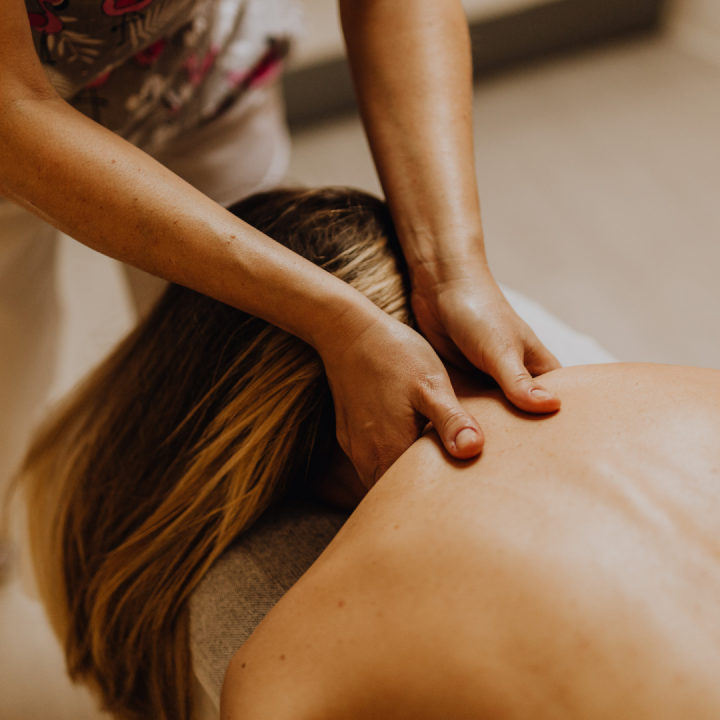
- Hands-on care
- Nervous-system regulation
- Services such as acupuncture
These services do not replace a medical search for the underlying cause of your neuropathy.
When to Get Medical Help Promptly
Seek prompt medical attention if you notice any of these:
- Weakness that is increasing quickly
- Sudden loss of coordination
- New bowel or bladder problems
- Numbness that is spreading quickly
- An infected foot wound
Get Started in Charlottesville
Charlottesville-area clients who want help choosing the right starting point can book an assessment.
Educational note: This article provides general information and does not diagnose or treat peripheral neuropathy. Exercise and wellness care should be coordinated with the appropriate medical provider.