
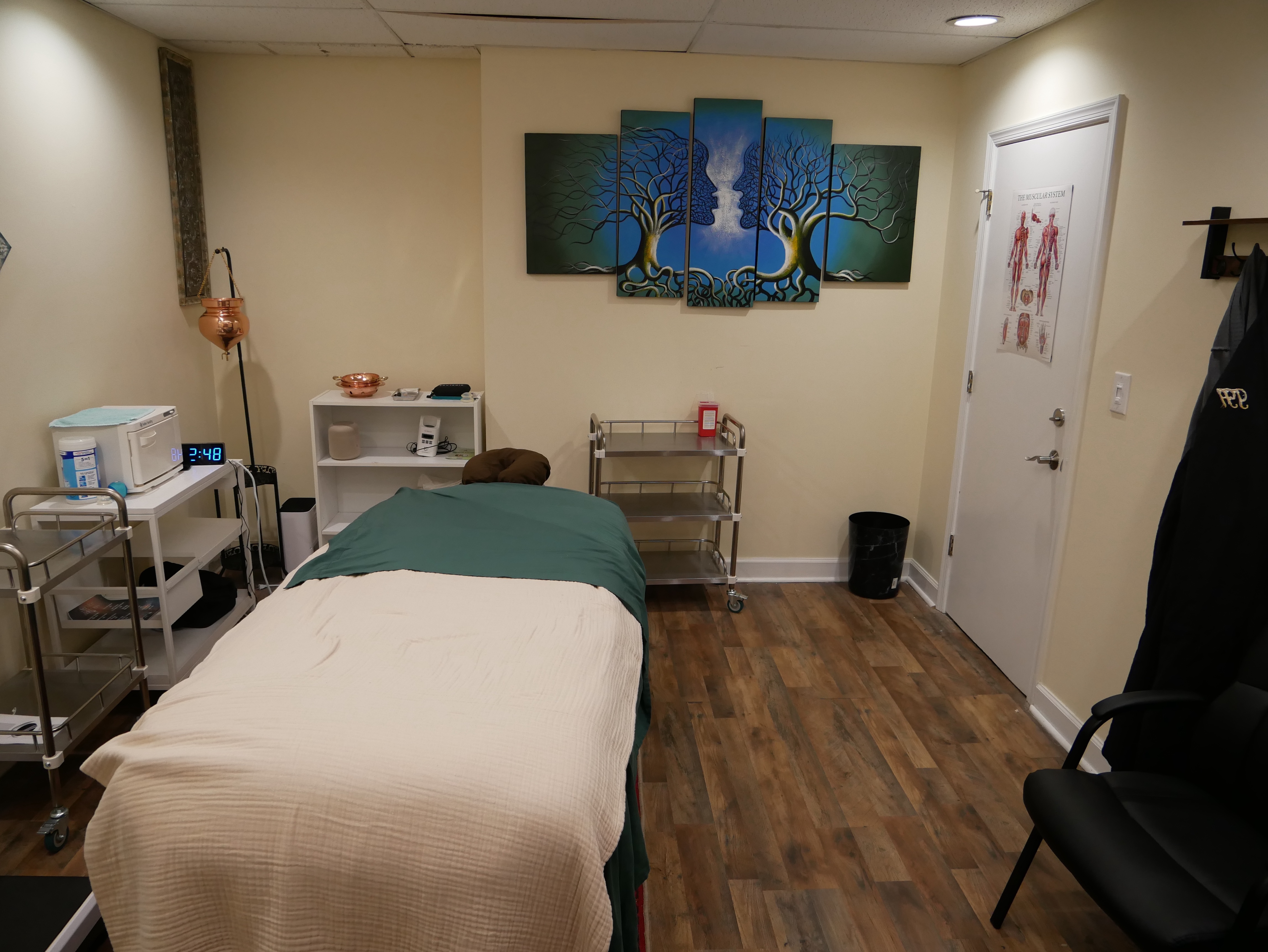
You can ask for less pressure at any point during a massage. A short, direct request is enough: “Please use lighter pressure here,” or “I would like you to stop working on that area.” You do not need to explain away your preference or wait until the appointment ends.
People sometimes book a deep-tissue or clinical session and assume that tolerating discomfort is part of the agreement. Your session choice does not remove your right to change the plan. At Transcending Health in Charlottesville, our massage service information explains that pressure is adjusted with your feedback.
Agree on the conversation before the session
Use the intake conversation to describe the experience you want, not just the area you want addressed. A helpful opening is: “My shoulders are the main concern, but I prefer a gentle start. Please check with me before increasing pressure.” This gives the therapist a concrete starting point without requiring you to choose a technical method.
The American Massage Therapy Association's discussion of safe touch emphasizes client autonomy and ongoing check-ins. Comfort includes more than pressure: positioning, draping, conversation and the environment also matter.
You can bring a brief written note if speaking spontaneously is difficult. For example: “Please explain position changes first. I prefer quiet. I will say ‘pause’ if I want the work to stop.” These are suggested communication phrases, not a clinical protocol.
Use specific words instead of trying to be polite
“That is a little intense” may mean something different to two people. When you want an immediate change, name the action you need:
- Reduce: “Please make the pressure lighter.”
- Move: “Please leave this spot and work somewhere else.”
- Pause: “Please take your hands off for a moment.”
- End: “I would like to finish the session now.”
Those examples are intentionally short. If a request is not understood, repeat it plainly. There is no need to soften “stop” into a question. A pressure number can supplement the conversation, but it is not a universal safety scale and should not override your words.
Share health information that could change the plan
Tell the therapist about relevant medical conditions, medications, recent procedures, injuries and instructions from your healthcare team. Ask whether those details change the appropriateness of the session. When uncertain, seek advice from the clinician who knows your history before proceeding.
NCCIH's massage overview describes a generally low risk of harmful effects but notes rare serious events, including nerve injury, fracture and blood clots. Some reports involved vigorous massage or people at increased risk. Massage should not postpone evaluation of a medical problem.
Do not ask a therapist to work through new, unexplained symptoms simply because the appointment is already booked. Tell them what changed and discuss whether the visit should be modified or deferred. Severe or worsening symptoms need appropriate medical assessment.
Judge the visit by your goal, not the pressure
Before the visit, choose one question you want to be able to answer afterward: Was the session comfortable? Was it easier to settle into the position? Did you feel heard when you asked for a change? These observations are more useful feedback than whether the therapist used the maximum pressure you could withstand.
Research does not establish that more force reliably produces a better outcome for every condition. NCCIH's summary of massage research notes that evidence for many pain uses is limited and benefits may be short term. Personal comfort and any symptom changes deserve discussion rather than automatic escalation of intensity.
Our guide to relaxation and clinical massage can help you discuss appointment goals without treating the service label as a pressure requirement.
Frequently asked questions
Can I change my mind after agreeing to deep pressure?
Yes. Consent and preferences can change during the appointment. Tell the therapist what you want changed now.
Should I wait for the therapist to ask?
No. Speak up as soon as you want a change. Check-ins help, but they do not replace your own feedback.
What should I report afterward?
Describe what you liked, what you want done differently, and any unexpected symptoms. Include when symptoms began and whether they are improving or worsening; seek medical care when warranted.
How do I discuss this before booking?
Use our appointment page to find the appropriate booking path and contact the team with your questions. State your comfort preferences and any relevant restrictions before the session.
This article offers general education, not a diagnosis or an individual treatment plan. Discuss health concerns and activity restrictions with a qualified healthcare professional.