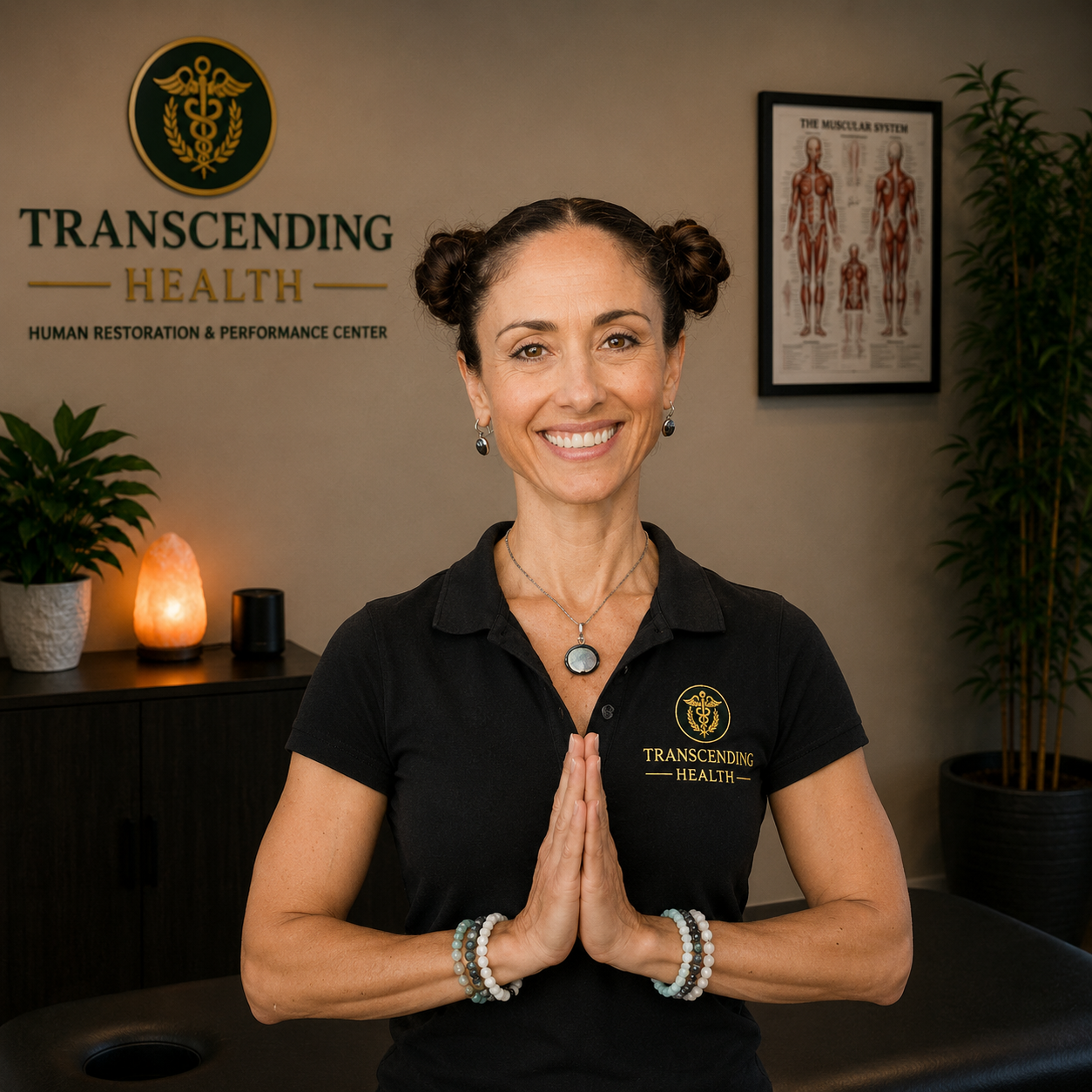
Guided Breathwork uses intentional breathing techniques to help regulate the nervous system, improve mental focus, reduce stress, and enhance the body’s natural healing response.
New innovative breath work series that unlocks and expands the power of your breath and body. If you have trouble getting into meditative states this is the experience for you. Transformational Breath Work mouth breathing techniques that bypass the conscious mind slipping into subconscious states. Sessions take place and are couples with our immersive sound table.
Guided Breathwork is a therapeutic wellness practice that uses intentional breathing patterns, structured instruction, and conscious awareness techniques to support physical, mental, emotional, and nervous system regulation. While breathing is an automatic physiological process, Guided Breathwork transforms it into a deliberate therapeutic tool capable of influencing stress responses, emotional states, cognitive function, energy levels, and overall well-being. At Transcending Health, Guided Breathwork is offered as both a restorative and transformational modality designed to help clients reconnect with the body's innate regulatory systems. Sessions are led by a trained facilitator who guides participants through specific breathing techniques tailored to their goals, experience level, and current physical and emotional state.
Unlike passive wellness services, Guided Breathwork actively engages the client in the healing process. Participants learn to use breath as a bridge between the mind and body, developing greater awareness of internal patterns while creating opportunities for relaxation, emotional processing, mental clarity, and nervous system balance. Depending on the style of breathwork utilized, sessions may focus on stress reduction, emotional resilience, performance enhancement, self-awareness, relaxation, mindfulness, energy cultivation, or personal growth. Each experience is designed to meet the individual where they are while providing practical tools that can often be incorporated into daily life beyond the treatment room.
The conscious use of breath as a healing and transformational practice has existed for thousands of years across numerous cultures and spiritual traditions. Ancient yogic systems developed sophisticated breathing practices known as pranayama, which were utilized to influence physical health, mental focus, energetic balance, and spiritual development. Breath-centered practices also emerged throughout Taoist traditions, indigenous healing systems, martial arts disciplines, contemplative traditions, and meditative practices around the world. Despite differences in philosophy and application, many of these systems recognized the breath as a powerful mechanism for influencing both physiological and psychological states.
During the twentieth century, modern researchers, psychologists, physicians, and wellness practitioners began exploring the relationship between breathing patterns, stress physiology, emotional regulation, and nervous system function. This led to the development of contemporary breathwork methodologies that combined ancient breathing practices with modern understandings of psychology, neuroscience, and physiology. Today, Guided Breathwork is utilized within wellness centers, healthcare environments, athletic performance programs, mental health settings, leadership development programs, and integrative healing practices worldwide.
Guided Breathwork is grounded in the understanding that breathing patterns are intimately connected to the functioning of the nervous system. Changes in breath rate, depth, rhythm, and awareness can influence physiological responses throughout the body, including heart rate variability, stress responses, emotional regulation, cognitive function, and autonomic nervous system activity. Modern lifestyles often contribute to unconscious breathing habits characterized by shallow breathing, chronic tension, elevated stress responses, and reduced awareness of internal physiological states. Over time, these patterns may reinforce stress, anxiety, fatigue, emotional reactivity, and diminished recovery capacity.
Guided Breathwork seeks to interrupt these patterns by bringing conscious attention to the breath while utilizing specific breathing techniques designed to encourage desired physiological and psychological responses. Depending on the breathing style employed, sessions may promote relaxation, increase energy, enhance focus, support emotional processing, or facilitate deeper self-awareness. At Transcending Health, breathwork is viewed not only as a wellness intervention but also as a skill-building practice. Clients learn practical breathing tools that may help them better navigate stress, improve resilience, support recovery, and cultivate greater self-regulation in everyday life.
Today, Guided Breathwork has become increasingly recognized within both wellness and healthcare communities as research continues exploring the relationship between breathing, nervous system regulation, stress adaptation, and overall health outcomes. At Transcending Health, Guided Breathwork is integrated alongside Massage Therapy, Reiki, Sound Healing, Acupuncture, Functional Medicine, Yoga, and other wellness services to support comprehensive mind-body health. Because breathing influences virtually every physiological system, breathwork often serves as a foundational modality that enhances the effectiveness of other therapeutic interventions.
The practice is utilized by individuals seeking stress reduction, emotional support, improved focus, enhanced recovery, better sleep, greater resilience, and deeper self-awareness. It is also commonly incorporated into athletic training, leadership development, meditation programs, and personal growth work. As understanding of nervous system health continues expanding, Guided Breathwork increasingly occupies a central role within integrative wellness approaches that emphasize self-regulation, adaptability, and long-term resilience.
Research involving breath regulation, autonomic nervous system function, stress physiology, and psychophysiology continues demonstrating the significant influence breathing patterns may have on physical and emotional well-being. Studies have examined how structured breathing practices may affect heart rate variability, autonomic nervous system balance, cortisol regulation, emotional processing, stress adaptation, attention, resilience, and perceived well-being. Research also suggests that intentional breathing practices may support relaxation responses and enhance the body's ability to recover from stress.
Neuroscience research continues exploring the relationship between respiration and brain activity, while psychophysiological studies investigate how breathing techniques may influence mood, focus, self-awareness, and emotional regulation. Modern healthcare increasingly recognizes breathing interventions as valuable tools within broader approaches to stress management, resilience training, mental wellness, and integrative care. While ongoing research continues refining best practices, Guided Breathwork remains one of the most accessible and evidence-informed methods for supporting nervous system regulation and overall well-being.
Guided Breathwork may be especially beneficial for individuals experiencing chronic stress, anxiety, emotional overwhelm, nervous system dysregulation, mental fatigue, burnout, sleep challenges, reduced focus, performance-related stress, or difficulty managing life's demands. The practice may also support individuals seeking personal growth, emotional resilience, self-awareness, mindfulness development, improved recovery, enhanced athletic performance, or greater mind-body connection. Because breathing techniques can be adapted to different goals and experience levels, sessions may be customized for beginners, experienced practitioners, athletes, professionals, caregivers, and individuals pursuing broader wellness objectives. Many clients are drawn to Guided Breathwork because it provides practical skills that can continue supporting health and well-being long after the session itself has ended.
Guided Breathwork should always be facilitated with consideration for an individual's health history, emotional state, physical condition, and prior experience with breathing practices. Certain intensive breathwork techniques may not be appropriate for all individuals and may require modification for those with cardiovascular conditions, respiratory disorders, seizure disorders, pregnancy, certain psychiatric conditions, or other medical concerns. Appropriate screening and professional guidance help ensure safe participation. At Transcending Health, sessions are tailored according to the individual's goals, comfort level, and wellness needs. Techniques are selected and adjusted to create a safe, supportive, and beneficial experience. Open communication between facilitator and participant remains important throughout the process to ensure appropriate pacing and comfort.
A Guided Breathwork session typically includes education, intentional breathing exercises, facilitator guidance, and a period of integration designed to help participants absorb and reflect on the experience. Clients often report feeling calmer, more centered, mentally clear, emotionally balanced, physically relaxed, and more connected to themselves following a session. Some individuals experience a greater sense of emotional release, improved focus, enhanced energy, or deeper self-awareness. Because breathwork directly engages the nervous system, responses may vary according to the techniques used and the individual's goals. Some sessions may feel deeply relaxing, while others may feel energizing, insightful, emotionally supportive, or personally transformative. With regular practice, many individuals develop greater resilience, improved stress management skills, stronger emotional regulation, and enhanced overall well-being.
Guided Breathwork serves a foundational role within Transcending Health's integrative wellness philosophy by supporting nervous system regulation, emotional resilience, stress management, self-awareness, and mind-body connection.
It complements Massage Therapy, Reiki, Acupuncture, Sound Healing, Functional Medicine, Yoga, and recovery-focused services by helping clients develop internal tools that enhance the benefits of other therapeutic modalities. Within ongoing wellness pathways, Guided Breathwork reinforces the understanding that sustainable health involves more than symptom management alone. By cultivating awareness, resilience, adaptability, and self-regulation, the practice empowers individuals to become active participants in their own healing and personal growth. Healing is a Process, Not an Appointment
By signing up, you gain private access to our holiday specials and receive monthly coupons that bring you closer to your health and happiness goals. But that's not all – you'll also be the first to know about upcoming events that can elevate your wellness journey.
Book Now